Legged Robots for Industrial Inspection
Learn where walking robots fit in plants and utilities, which inspection tasks they handle, and what data they capture for maintenance teams.
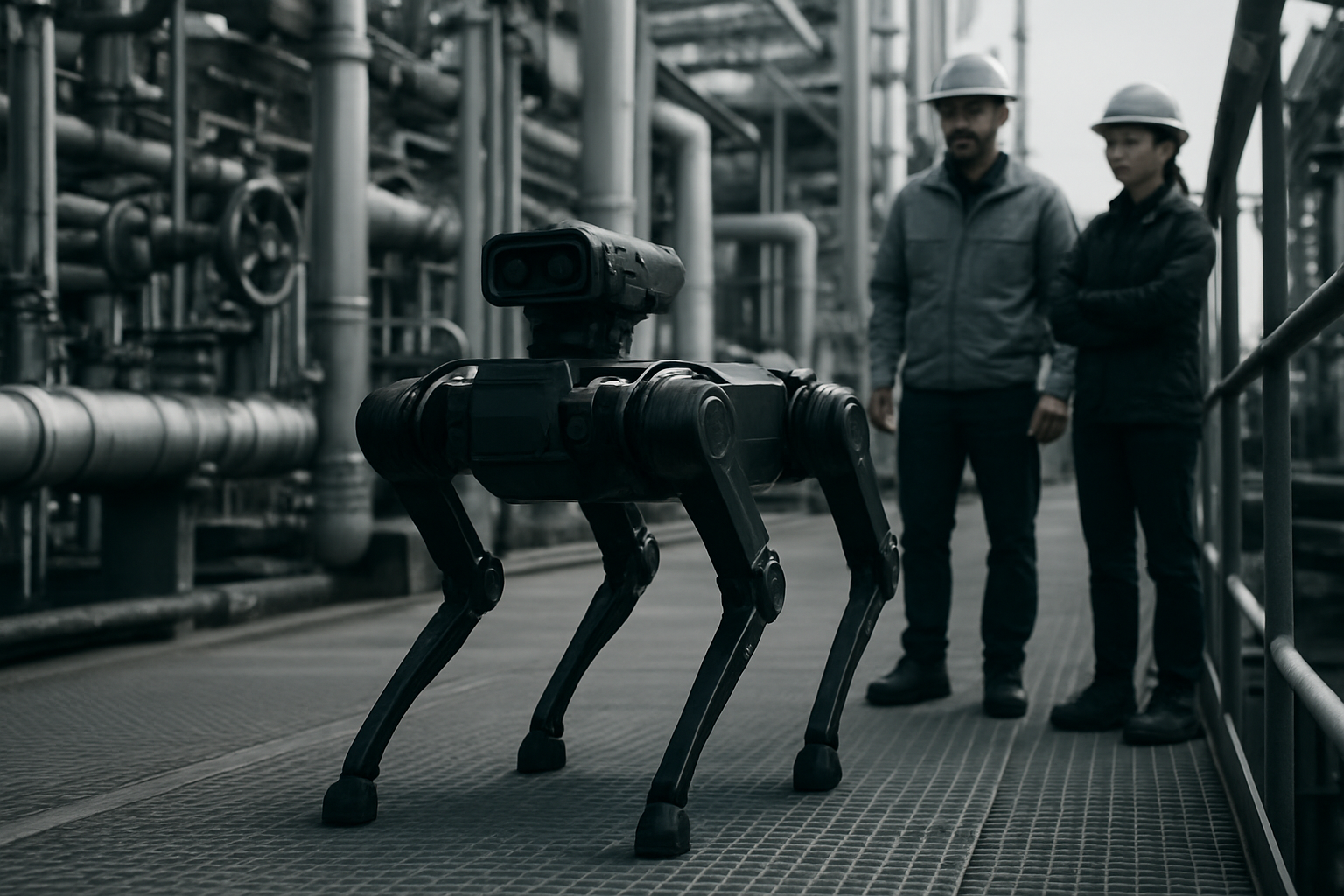
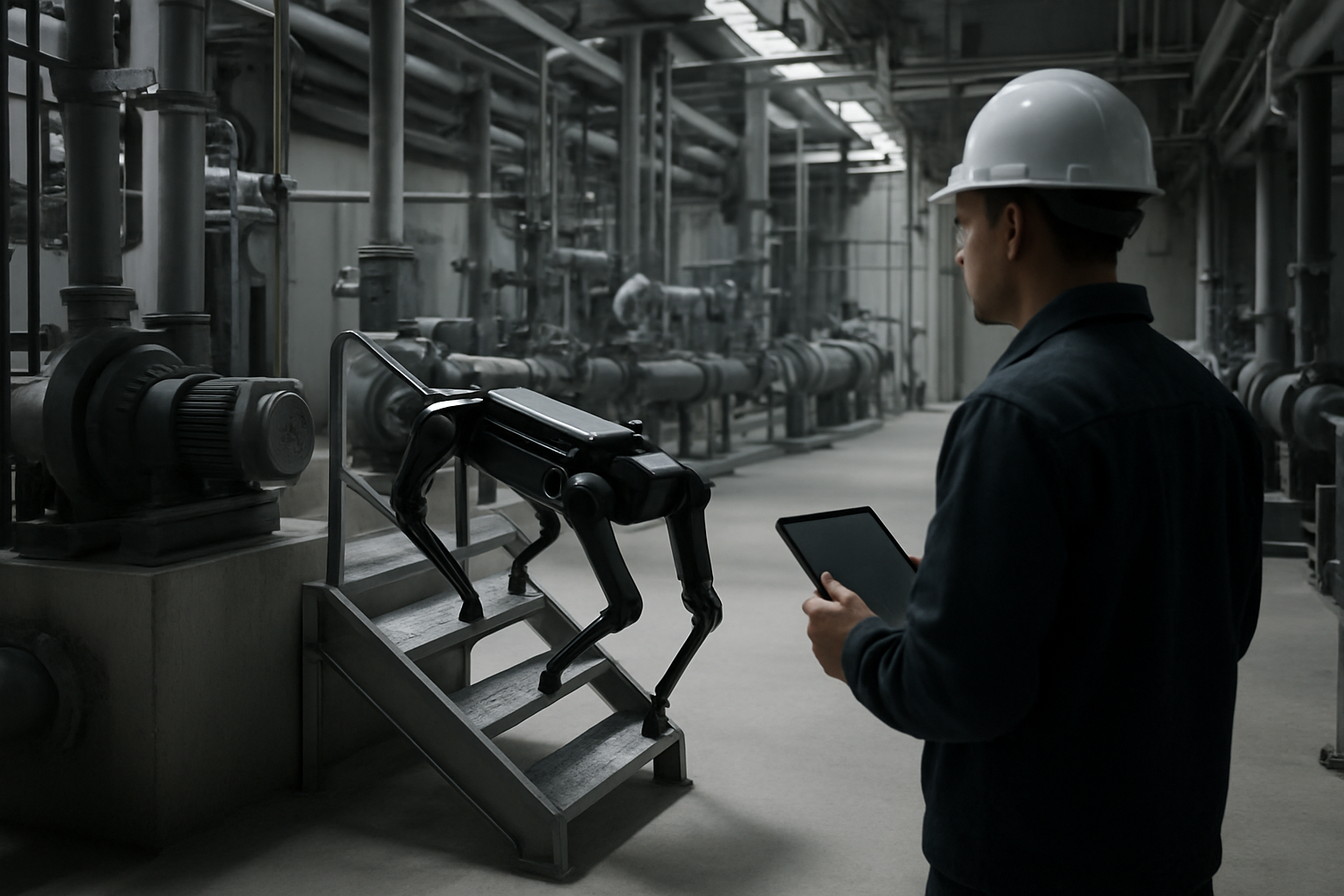
Legged robots for industrial inspection are becoming a practical option for plants, utilities, and infrastructure teams that need better visibility in complex environments. Unlike fixed sensors that watch one point, or wheeled platforms that prefer smooth routes, walking robots can move through stairs, grating, uneven floors, thresholds, and tight passages.
For maintenance and operations leaders, the value is not the robot itself. The value is repeatable data capture: visual condition checks, thermal readings, acoustic cues, environmental measurements, and location-tagged observations that help teams prioritize work. Flypio develops robotics and AI platforms for aerial, terrestrial, and specialized operational environments, including Saltica, a legged terrestrial robot designed for terrain adaptability.
Where Legged Robots Fit in Industrial Plants
Industrial sites are rarely designed for robots. They are designed around production, safety, access control, and maintenance. A platform that only follows flat, clear paths may help in corridors, but it can struggle where human inspectors climb stairs, step over hoses, or move around temporary equipment.
Sites with mixed terrain
Legged robots fit facilities where inspection routes include multiple surface types. These may include refineries, power plants, water treatment facilities, manufacturing sites, substations, tank farms, and large commercial campuses. The ability to walk, turn in place, and adapt to obstacles can make inspection coverage more flexible.
Areas that benefit from repeatable observation
Many industrial issues are easier to understand over time: a gauge reading, a hot bearing, corrosion, residue, abnormal sound, or valve position. A walking robot can support repeatable rounds when routes are mapped, inspection points are defined, and data is collected consistently for human review.
Inspection Tasks Walking Robots Handle Well
Legged robots are most useful when the task combines mobility, observation, and structured data capture. They do not replace every human inspection, but they can support teams by reaching defined points and collecting information in a consistent way.
Visual condition checks
A legged robot can carry cameras to document equipment condition, floor conditions, access points, pipe runs, valves, motors, panels, and general site status. This helps teams verify whether something looks normal, blocked, leaking, damaged, open, or closed before sending personnel.
Thermal and acoustic inspection
Depending on the sensor payload, a robot may capture thermal imagery around motors, electrical cabinets, pumps, bearings, and process equipment. It may also support acoustic listening for abnormal noise around rotating equipment or compressed air systems.
Environmental monitoring
Plants and utilities often need awareness of temperature, humidity, air quality, or specific gas conditions. A legged robot can carry compatible sensors so readings are associated with a location and timestamp instead of remaining isolated measurements.
Remote situational awareness
Operations teams may need to understand what is happening in an area before sending personnel. A walking robot can provide remote visibility, helping teams decide what expertise, tools, or protective steps may be required.
What Data Maintenance Teams Can Use
A robot inspection program should begin with the data the team actually needs. More data is not automatically better. The goal is to collect information that supports maintenance planning, safety reviews, documentation, and faster decisions.
Useful inspection data may include high-resolution images, video, thermal images, audio clips, environmental readings, robot location, inspection timestamps, and notes connected to specific assets. When structured well, this information can support work orders, trend review, asset history, and follow-up inspections.
The strongest inspection plans are tied to clear questions. Is this motor hotter than expected? Has the leak grown? Is the route blocked? Is the gauge within its normal range? Is standing water near electrical equipment? A legged robot can help answer these questions when qualified teams review the data.
How Legged Robots Compare With Other Options
Legged robots are one tool in a broader robotics and sensing strategy. In many facilities, the right approach may combine walking robots, aerial robots, ground vehicles, fixed cameras, and installed sensors.
Compared with wheeled robots
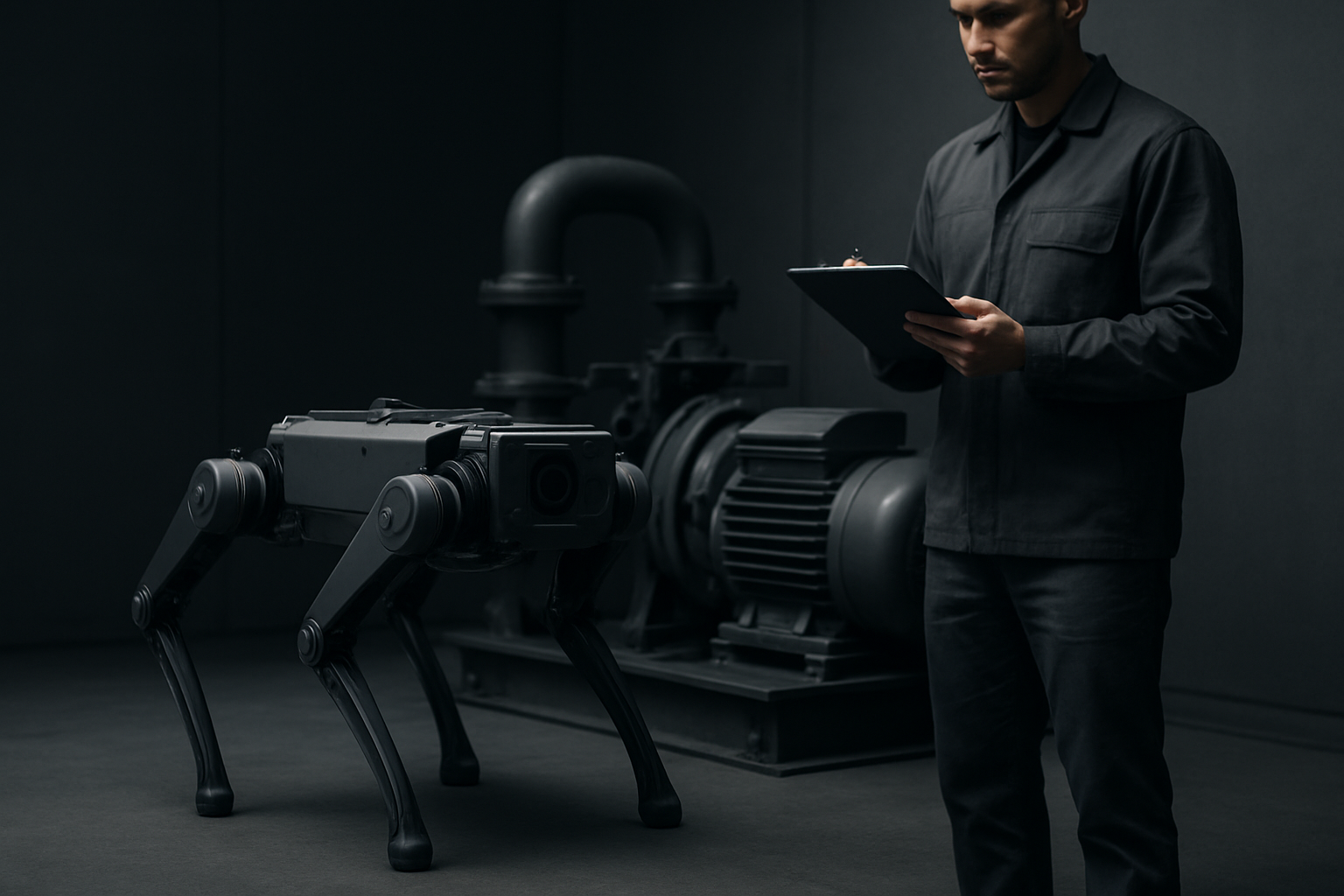
Wheeled robots can be efficient on smooth floors, long corridors, and predictable indoor routes. Legged robots are more useful when routes include stairs, grates, curbs, uneven surfaces, tight turns, or cluttered areas. If a route resembles a human walking inspection path, legs may fit better.
Compared with fixed sensors
Fixed sensors are strong for continuous monitoring at known points. They work well when the asset is critical and the measurement is specific. Their limitation is coverage. A fixed camera or sensor cannot move to inspect nearby equipment, look behind an obstruction, or check another room.
Compared with aerial robots
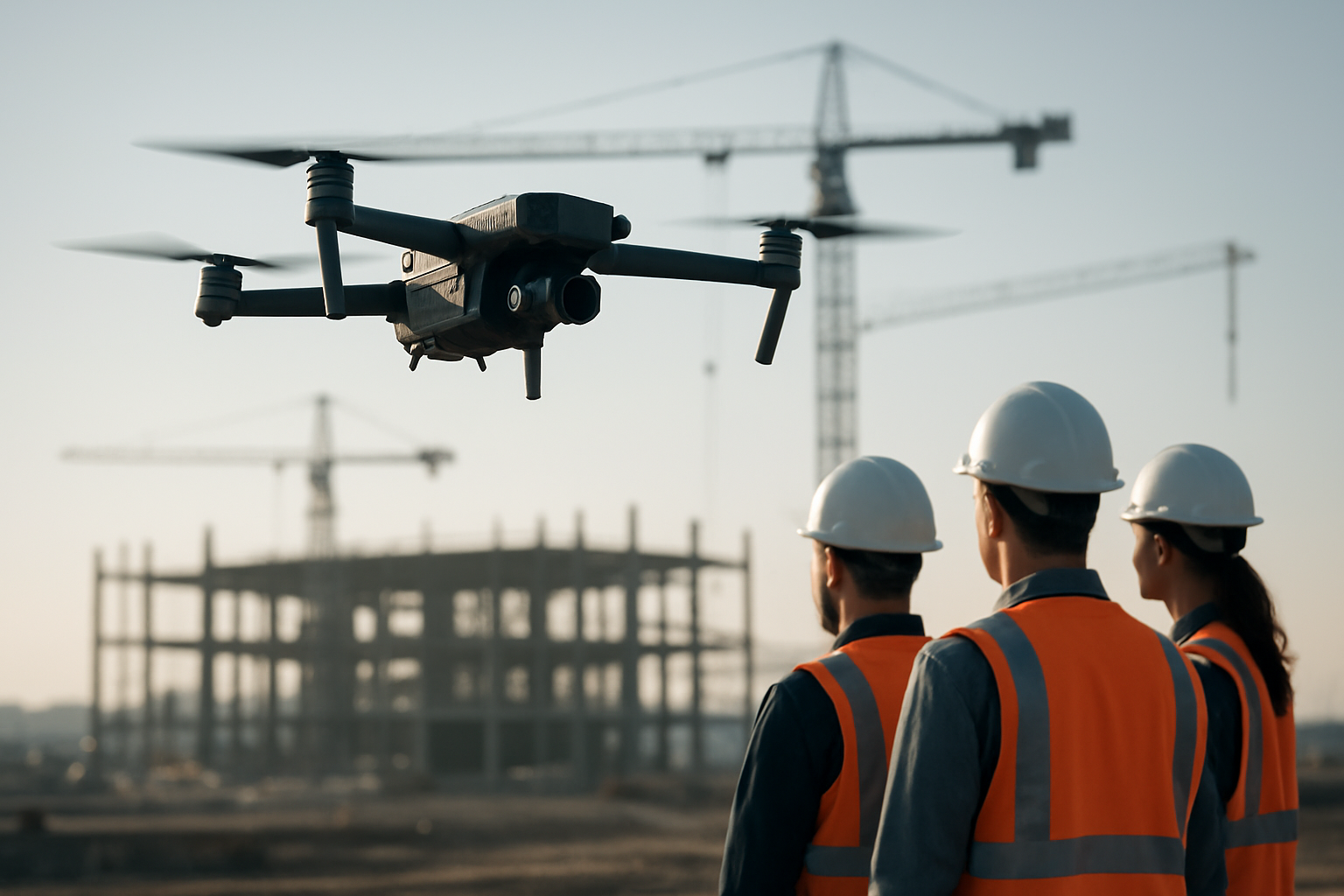
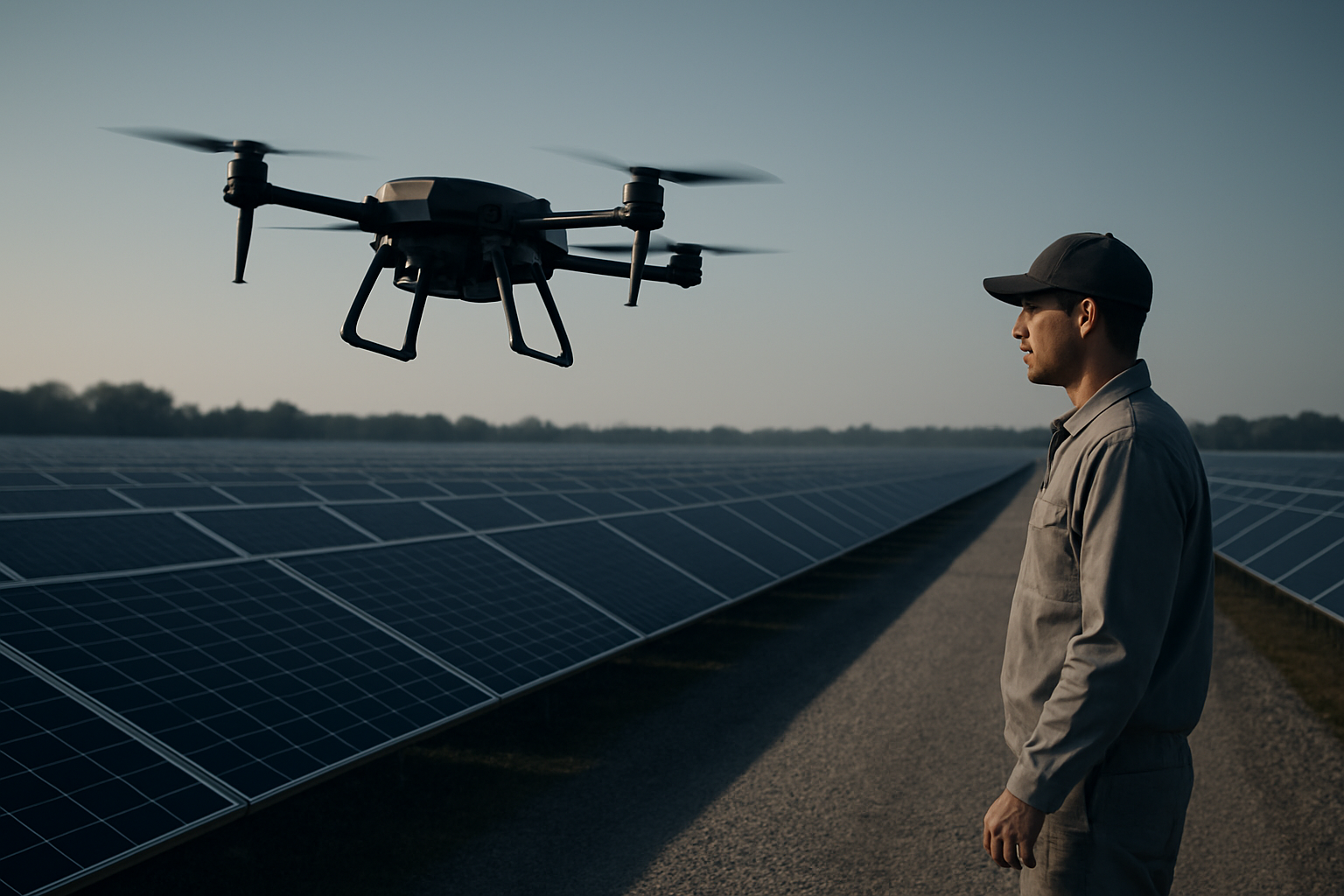
Aerial robots, such as Flypio’s Kestrel platform, can support awareness from above and may be useful for elevated structures, outdoor assets, roofs, towers, and open areas. Legged robots are better suited for ground-level routes, indoor spaces, stairways, and stable close-up inspection.
Practical Evaluation Considerations
Before evaluating a legged robot, operations teams should define the mission clearly. A useful starting point is to select a few inspection routes and list the assets, readings, images, and decisions associated with each route.
Teams should consider surface conditions, stairs, lighting, communication coverage, dust, moisture, temperature, noise, access control, and the required sensor payload. They should also decide who reviews the data and how exceptions are escalated.
Human factors matter as much as robot capability. Inspectors, maintenance planners, security teams, and site leadership should understand what the robot is expected to do and what remains a human responsibility.
Flypio’s Saltica platform is relevant for teams evaluating legged terrestrial robotics in complex environments. As with any robotics platform, the right fit depends on the site, mission, payload needs, and review process.
FAQ
Can legged robots replace human inspectors?
They are better understood as inspection support tools. A legged robot can collect repeatable data and provide remote visibility, while human teams review findings and make decisions.
What sensors can a legged robot carry?
Sensor options may include visual cameras, thermal cameras, microphones, and environmental sensors, depending on the platform and payload configuration. The right sensor set should match the inspection questions.
Are legged robots only for large industrial sites?
No. They may be useful anywhere routes are complex and repeatable inspection data is valuable. The business case depends on route difficulty, inspection frequency, data needs, and operational priorities.
Legged robots can support industrial inspection by bringing sensors to the right place, at the right time, in a repeatable way. To explore Flypio’s robotics platforms and discuss operational fit, request a demo through the Flypio website: https://flypio.com.