Drone Docking Stations: Remote Patrol Explained
A drone docking station turns patrols into scheduled flights. How it changes patrol scheduling, plus the power, siting and connectivity a site needs.
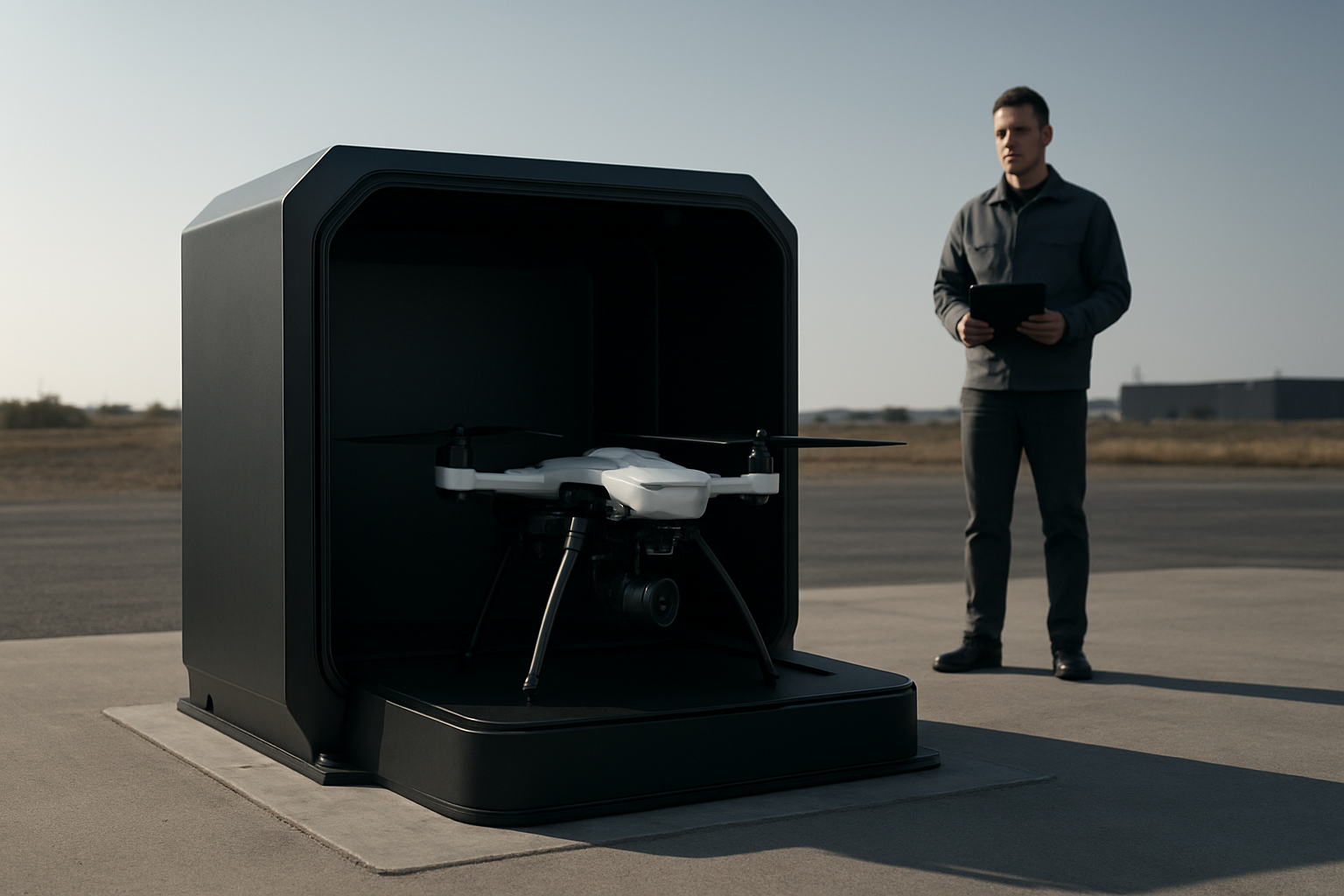
A drone docking station is a weatherproof base that lets an aerial robot launch, land, recharge and hand over data with no pilot on site. For a security or industrial team, that changes what the aircraft is: not a device someone carries in a case, but a sited sensor with a flight cycle, a maintenance interval and a place in the site plan.
The operating model behind the hardware is remote patrol. An operator in a control room tasks a route, or responds to a fence-line alarm, and the dock handles landing, power and data transfer before the next task.
This article is for the people who have to make that work: operations managers, security leads and facilities engineers. It covers how a dock changes patrol scheduling, and the site conditions to confirm before committing to an installation date.
What a Drone Docking Station Actually Does
Launch, land, recharge, repeat
A dock typically combines a weatherproof enclosure, a landing platform, a charging interface, thermal management to keep batteries inside their safe operating range, and a communications link to an operations center. Some designs add a mechanism to reposition the aircraft or exchange batteries.
The useful mental model is a sensor with a duty cycle: it has a flight window, a recharge interval, a maintenance schedule and a failure mode.
What a dock does not do
A dock does not remove the need for airspace authorization, maintenance or a responsible operator, and it does not make an aircraft all-weather: wind, precipitation and visibility limits still decide whether a task launches.
How a Dock Changes Patrol Scheduling
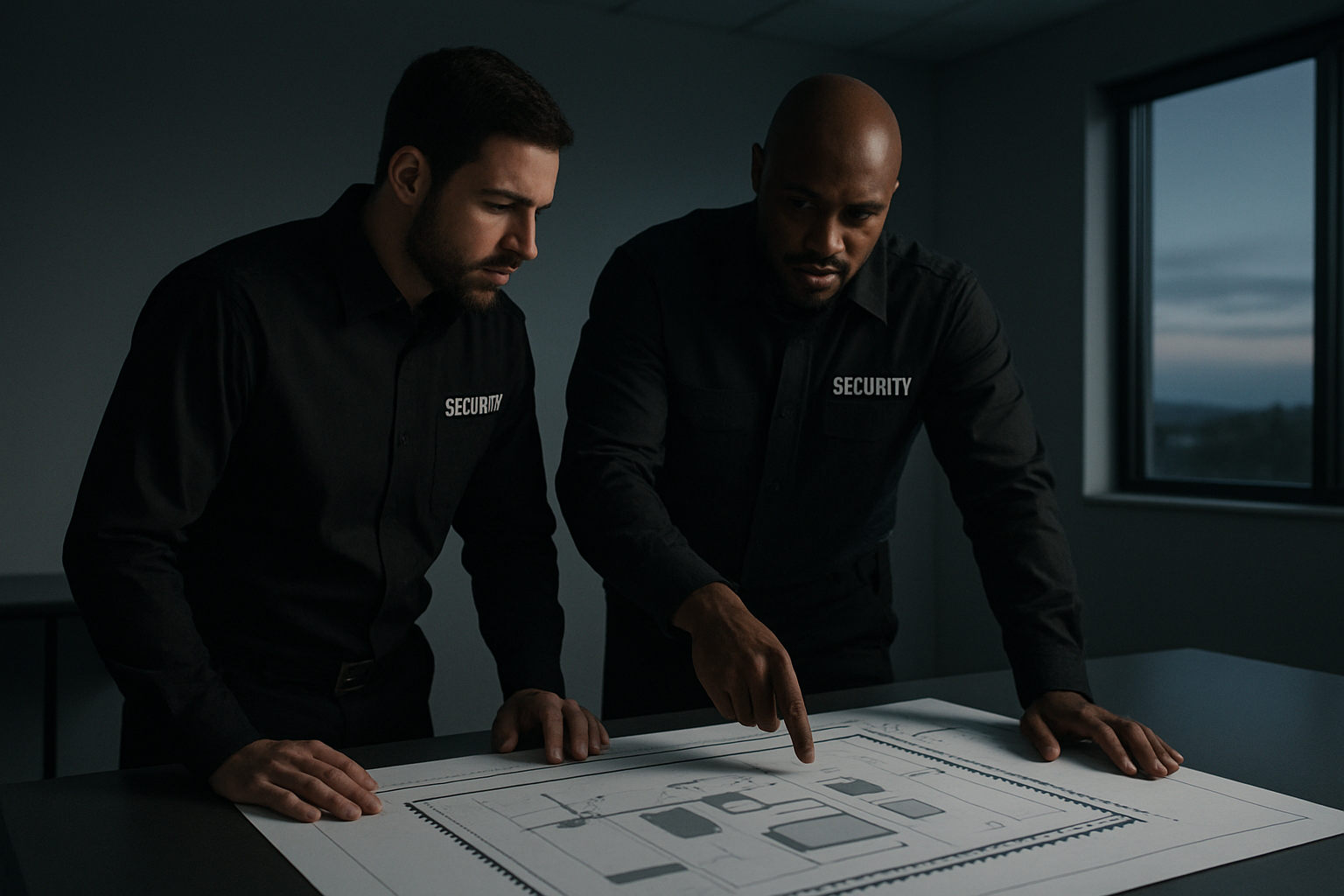
From fixed rounds to a task list
A guard round is a route with times attached to it. A docked aircraft program is a task list with priorities attached to it: a recurring perimeter sweep, a second look at a gate after a door contact alarms, a check on a loading yard after the delivery window closes. Because the schedule lives in software, changing it does not mean reprinting a route card.
Patrol coverage stops being purely a staffing question and becomes a mix of scheduled flights, triggered flights and fixed cameras covering the gaps.
Before writing a flight schedule, write down what covers the site when the aircraft cannot fly: high wind, heavy rain, a maintenance window, a dock fault. Teams that skip this step end up with a plan that looks complete on paper and thin in bad weather.
Power: What to Confirm Before Siting
Power is where most installation delays come from, and it is avoidable.
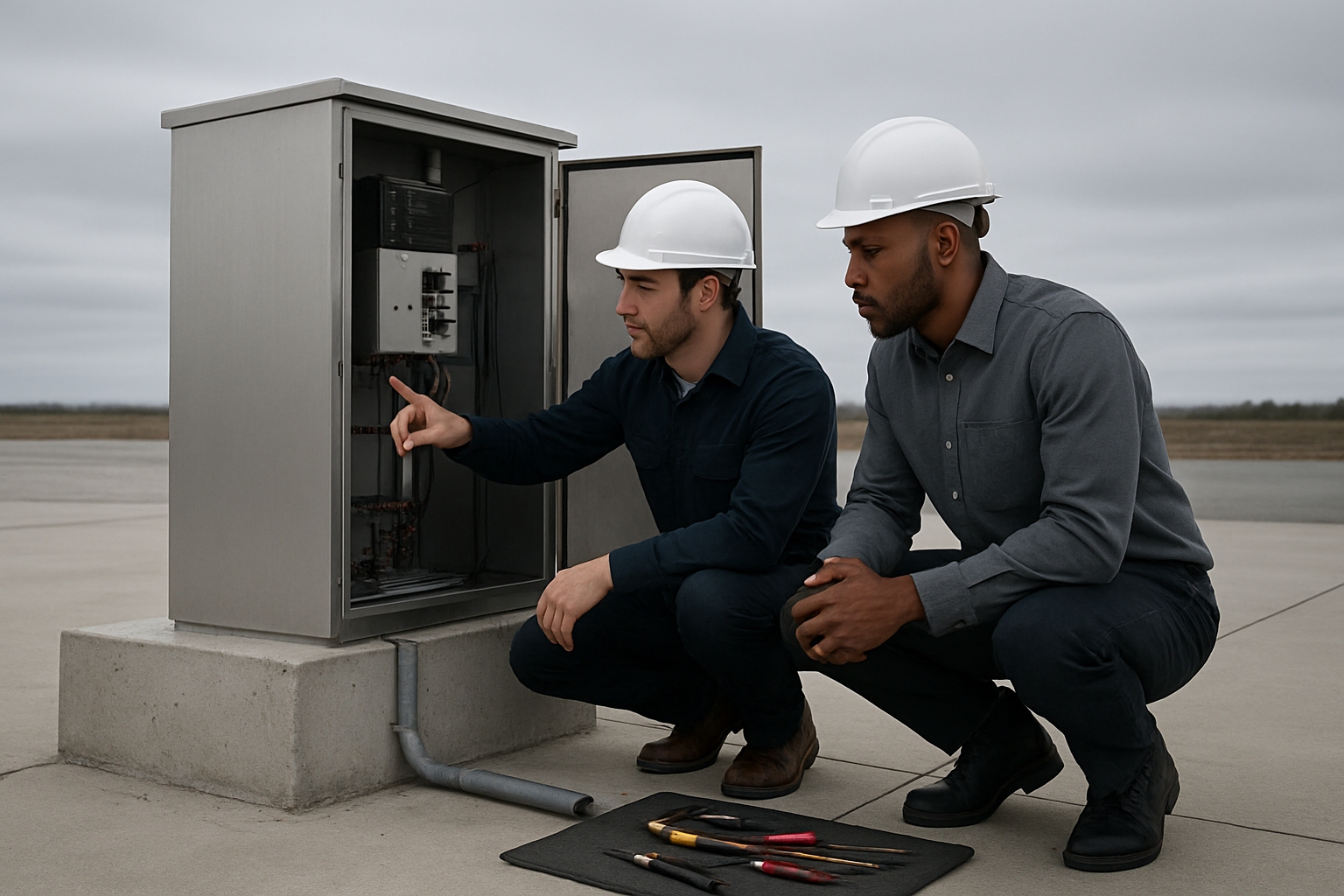
Ask the supplier for the dock's nameplate rating and installation manual, then hand both to the facility electrician. Do not size a circuit from a marketing page.
Confirm a dedicated circuit, not a shared outlet run, and add surge protection on the feed. Decide whether the dock sits on backup power: a dock that goes dark during an outage takes the patrol schedule with it. Run conduit for the data cable at the same time as the power trench.
Check the dock's rated ambient temperature range against the site's summer and winter extremes, confirm where drainage goes, and agree how a technician isolates the unit for maintenance.
Siting and Airspace
Clear approach and secure footing
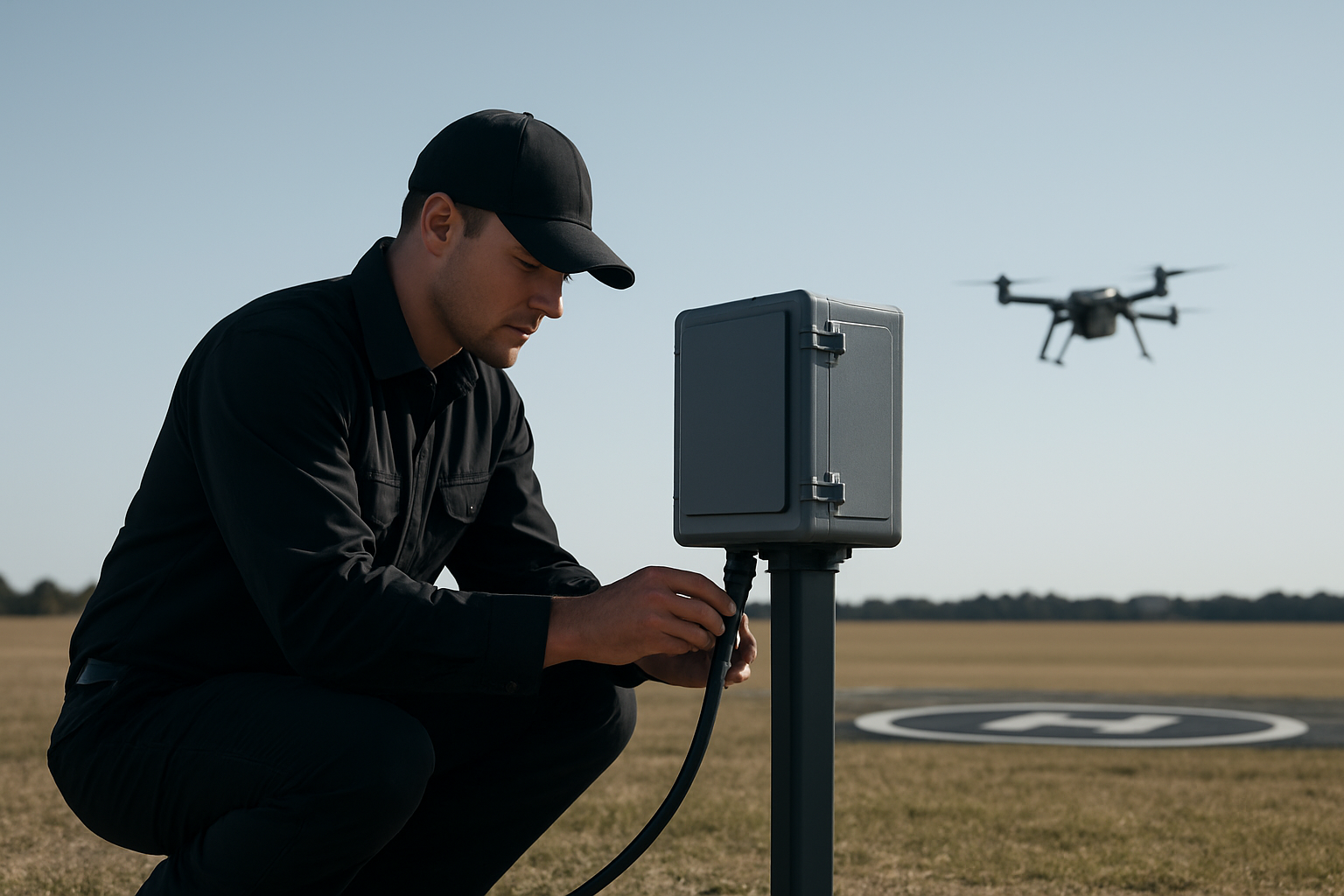
An aircraft needs a clean approach and departure path. Trees, overhead cables, light poles, roof edges and rooftop equipment shorten the usable envelope. Anchor the dock for the local wind load, and treat it as a climbable asset: fencing, locking and tamper alarms belong in the plan. Consider what the dock looks at, as well: an aircraft that sees into a neighboring window creates a complaint faster than it creates security.
Regulatory questions a dock raises
A dock implies remote, and possibly beyond-visual-line-of-sight, operation — a different conversation with an aviation regulator than a pilot flying on site. Confirm the authorization path for the jurisdiction and the site before ordering hardware, with a qualified advisor involved early.
Connectivity, Data and Control
The link between dock and operations center carries command and control, video and telemetry, so treat it as critical infrastructure. Wired ethernet or fiber is the preferred primary path, with a cellular link as backup; check coverage at the dock position, not at the front gate.
Ask how much bandwidth the streams need, what happens if latency rises, and where footage is stored and for how long. Put the dock on its own network segment and patch it like any other connected device: a dock is a networked computer with a door on it.
Matching the Platform to the Mission
Docks are one component of a system: aircraft, dock, software, communications and support. Flypio's aerial robot platform, Kestrel, is designed for teams evaluating robotic support in complex environments, and docking questions belong in the same evaluation as the aircraft itself.
FAQ
What is the difference between a docking station and a regular drone?
A regular drone is deployed, recovered and charged by hand between flights. A docking station automates storage, charging and data transfer so flights can be scheduled or triggered remotely, which is what makes recurring patrol practical.
Can a docked aircraft fly at night or in bad weather?
Night operation depends on the aircraft's sensors and on local rules. Weather tolerance depends on the specific aircraft and dock, and every platform has wind, precipitation and visibility limits. Confirm both in writing, and plan what covers the site when a flight is not possible.
How much power does a drone docking station need?
It varies by platform, enclosure size and whether the dock heats or cools its bay, so the figure has to come from the supplier's nameplate and manual. What a site can prepare is the dedicated circuit, surge protection and conduit route.
Next Step
Request a demo to discuss how Flypio robotics may fit your operational needs, and to walk through power, siting and connectivity for a specific site: contact Flypio.