Drone Wind Speed Limit: Realistic Field Envelopes
How to set a realistic drone wind speed limit, read gusts and rain, and plan backup coverage so weather scrubs do not cost your team the week.
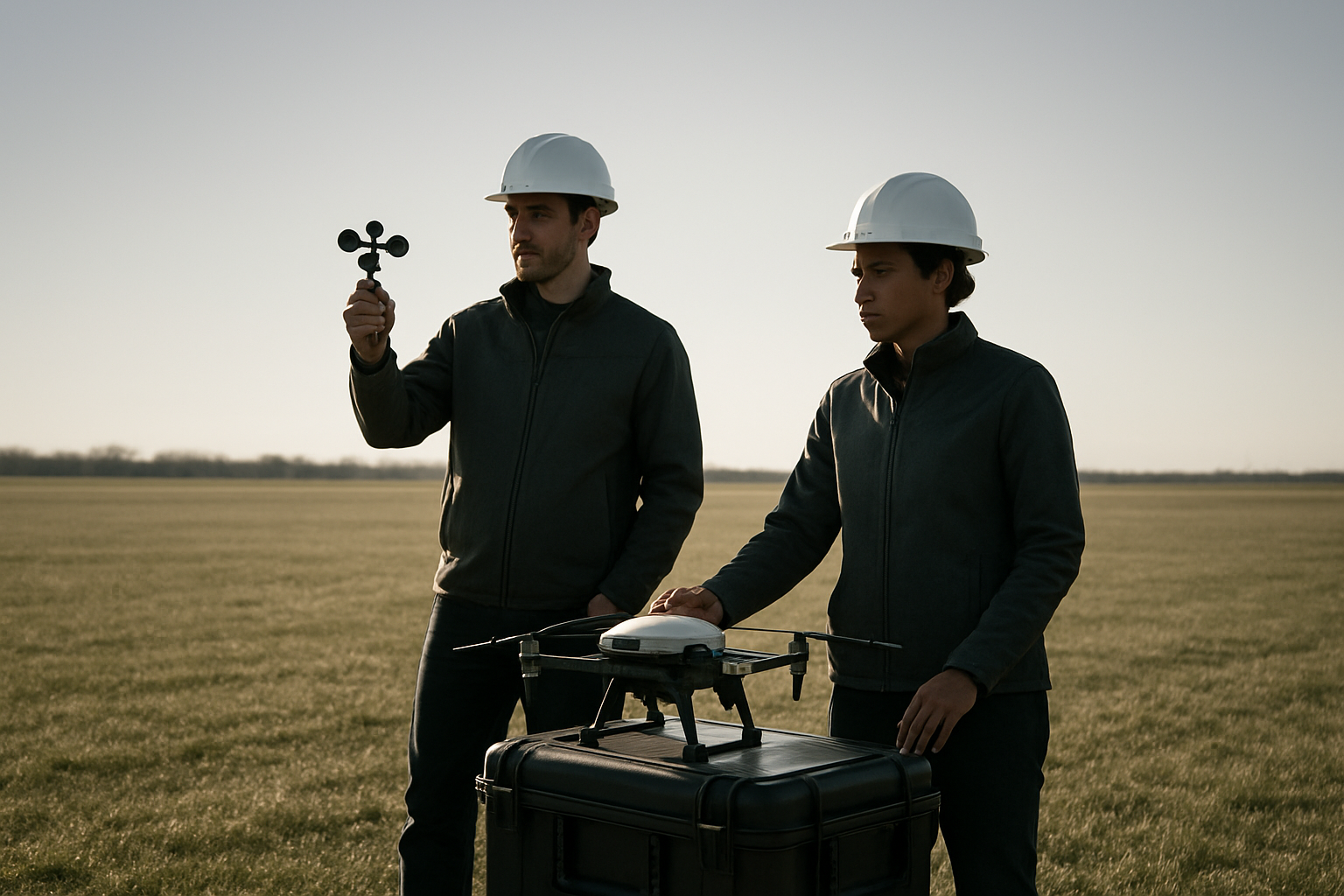
Every operator eventually asks the same question: what is the drone wind speed limit for this mission? No single figure applies to every aircraft, payload, and site. The practical answer is that a defensible limit can be defined in advance, written down, and used to make the go/no-go call before a crew is standing in a field with the case open.
Wind is the most common reason an aerial mission is postponed, and the hardest variable to forecast with confidence. Aerial robots such as Kestrel are designed for complex operational environments, but no platform removes weather from planning. Teams that treat wind as a scheduling input lose fewer days than teams that treat it as a surprise.
This article explains what published wind figures describe, how to turn them into a working envelope, how rain changes the picture, and how to plan backup coverage so a windy week does not become a lost month.
What a Wind Limit Actually Describes
Sustained wind versus gusts
Published wind resistance figures usually describe a steady airflow. Real air moves in gusts, and an aircraft responds to the gust rather than the average. A day averaging a moderate breeze can still produce spikes that push a lightly loaded multirotor to the edge of its control margin. Record both numbers on site, and set a separate gust limit.
Payload belongs in the same conversation. Sensors, gimbals, and communications hardware change mass and drag, and hovering in wind costs endurance, so a windy day is a shorter mission day regardless of the figure on paper.
Wind at altitude is not wind at the ground
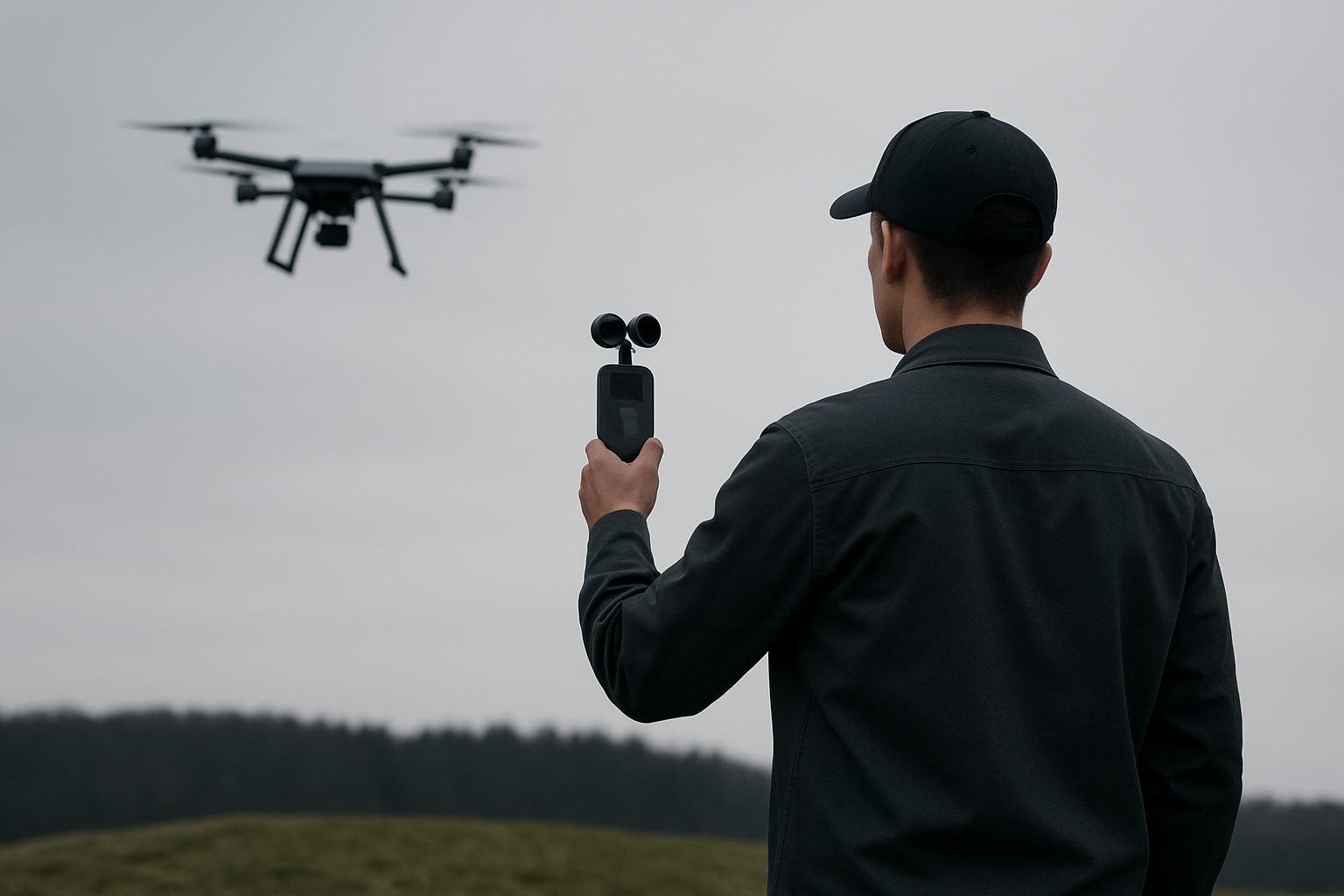
Wind speed generally increases with height above ground, because surface friction is what slows it near the deck. An anemometer held at head height under-reads what the aircraft meets at 100 feet. Trees, buildings, and parked vehicles also create turbulence downwind, so a sheltered launch point can be the least representative place on the site. Measure where the aircraft will work, or add a margin for the difference.
How to Set a Working Envelope
Treat the published figure as a ceiling
The manufacturer's maximum is the outer edge of the flight envelope, not a target. Choose an internal operating limit below it, decide the margin in advance, and write down the reasoning. A limit that exists only in an operator's judgement cannot be audited, briefed, or improved at the end of the season.
Fix the unit and the measurement point
Teams mix meters per second, miles per hour, knots, and the Beaufort scale in the same conversation. Pick one primary unit and keep a conversion table on the go/no-go card. State where the measurement is taken, over what averaging period, and whether the number is a mean or a peak.
Write a one-page go/no-go card
List the sustained wind limit, the gust limit, visibility and cloud requirements, precipitation limits, and the name of the person who can call an abort. In the United States, FAA Part 107 sets no maximum wind speed for small unmanned aircraft; it places responsibility for a safe flight on the remote pilot in command. The operational decision should belong to a named person, not to a forecast app.
Rain, Humidity, and Ingress Protection
Ingress protection ratings follow the IEC 60529 convention: one digit for solids, one for water. A rating is a starting point, not a license to fly in any weather. Wind-driven rain at flight speed reaches seams that drizzle does not, and salt spray near a coastline adds corrosion to the maintenance burden. Many small multirotors are not rated for precipitation at all, so check the published rating before promising a rain-or-shine schedule.
Humidity matters more quietly: condensation forms when a cold aircraft is carried into a warm, damp space, so drying and storage practice belongs in the weather plan.
Planning Backup Coverage for Weather Scrubs

Decide early, not on site
Wind forecasts are least reliable exactly when they matter most. Set a decision window: how many hours before the mission a call is made, who makes it, and how the client hears about it. A crew that learns at dawn that the flight is cancelled has already lost the day.
Build a fallback into the schedule
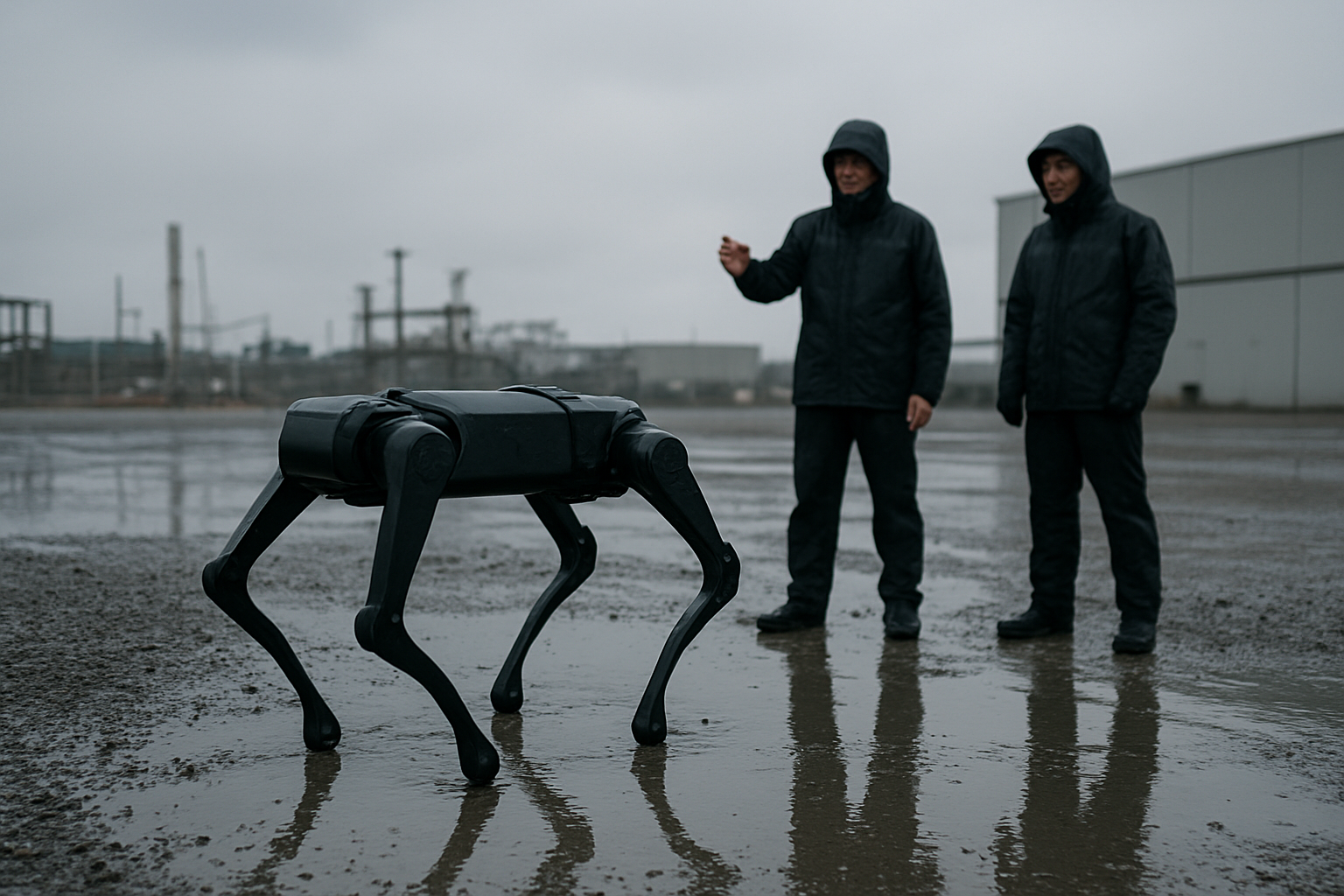
Buffer days cost less than apologies. Beyond rescheduling, teams can keep partial coverage with fixed sensors, ground vehicles, or a legged terrestrial robot such as Saltica on routes where wheeled platforms struggle and flight is not an option. Re-sequencing helps too: move indoor, low-altitude, and ground-based work into the windy window.
Log the scrubs
Record every cancelled sortie with the date, the measured wind, and the decision taken. One season of local records is worth more than a generic forecast, and the pattern usually becomes clear enough to schedule around.
Where Ground Robots Fit Differently
Wind is a smaller factor for terrestrial platforms, but weather still shapes the mission. Mud, standing water, drainage gradients, slopes, and sensor performance in rain all affect ground operations, and a legged robot that handles rough terrain still has limits on traction and ingress. A mixed fleet gives operations teams options on days when the airspace is effectively closed.
FAQ
What is a safe drone wind speed limit?
No universal number exists. Use the manufacturer's published maximum as a ceiling, set a lower internal limit and a separate gust limit, and account for payload and site turbulence. The safe limit is the one a team can measure and defend.
Can aerial robots operate in rain?
Only within their published ingress protection rating, and only if the operator accepts the maintenance implications. Many small multirotors are not rated for precipitation, so rain is usually a scheduling constraint rather than a flight condition.
How should teams plan backup coverage when weather cancels flights?
Decide the decision window and the fallback before the scheduled day. Buffer days, ground-based sensing, and terrestrial or legged robots can keep part of the mission moving while the airspace is closed.
Next Step
Request a demo to discuss how Flypio robotics may fit your operational needs. For teams evaluating AI-assisted operation, the Flypio voice assistant is documented at ai.flypio.com.