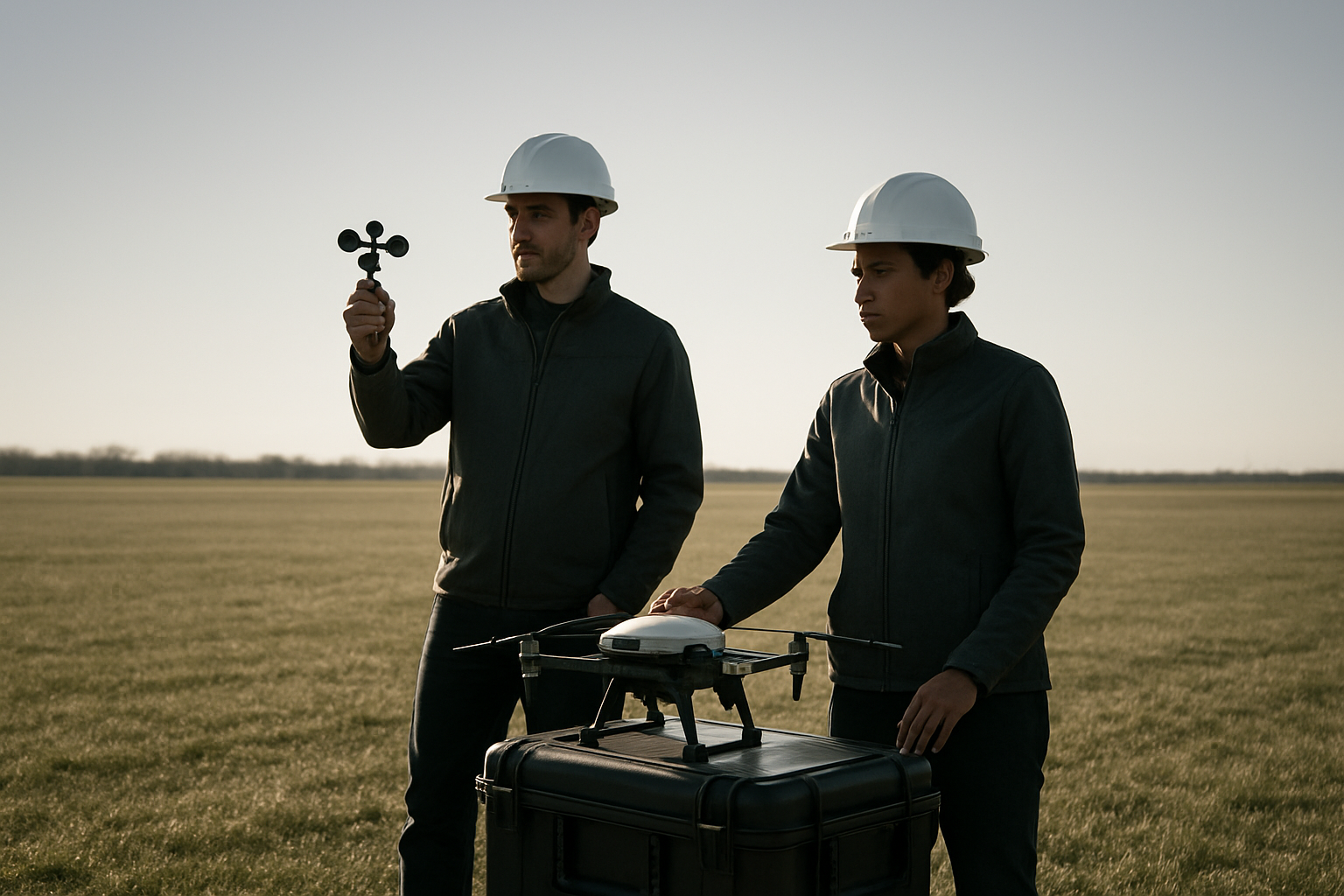
10 Questions to Ask a Drone Vendor Before a Demo
Ten questions to ask a drone vendor before a demo: airspace, payload, data handling, and support — with a simple way to score the answers.
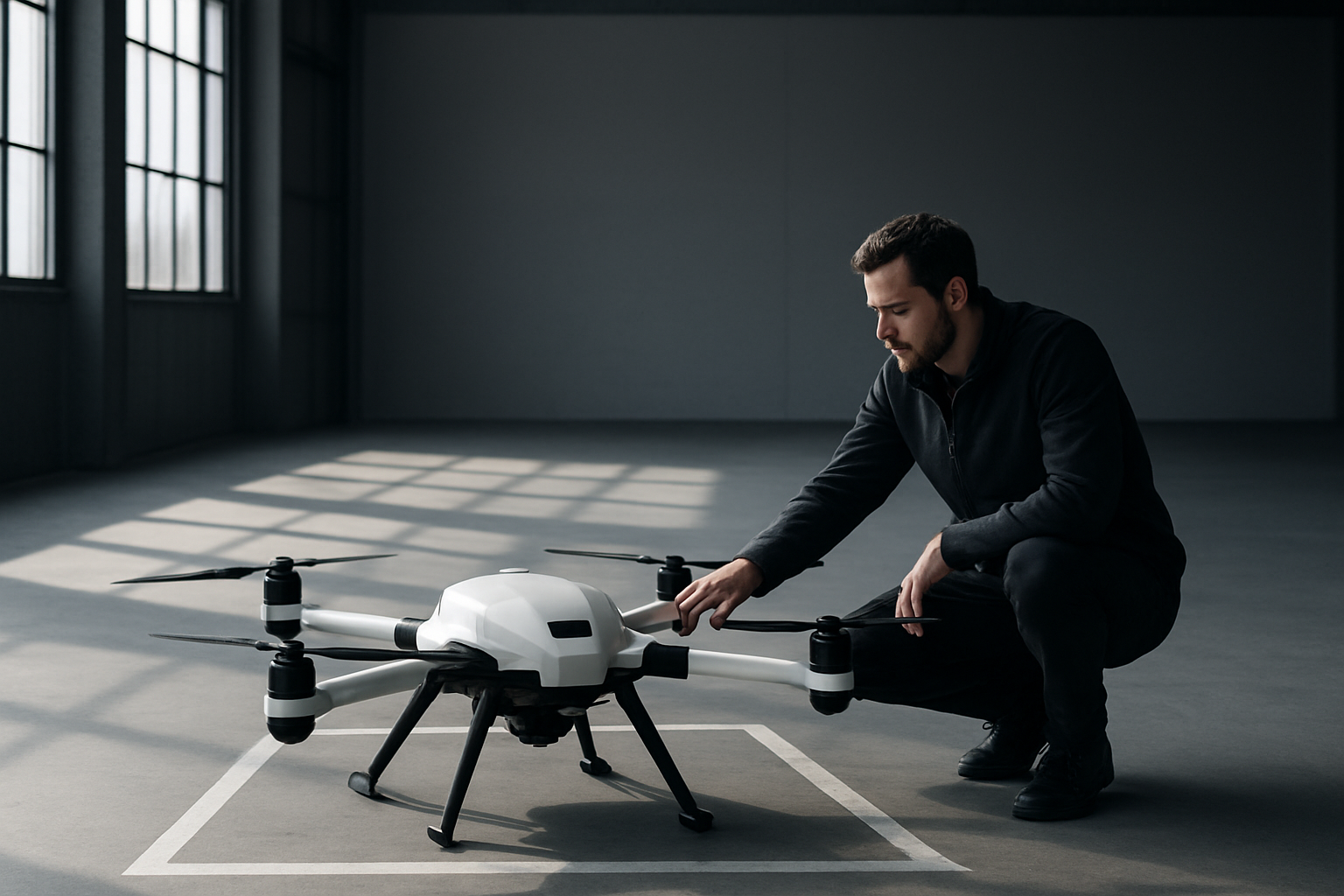
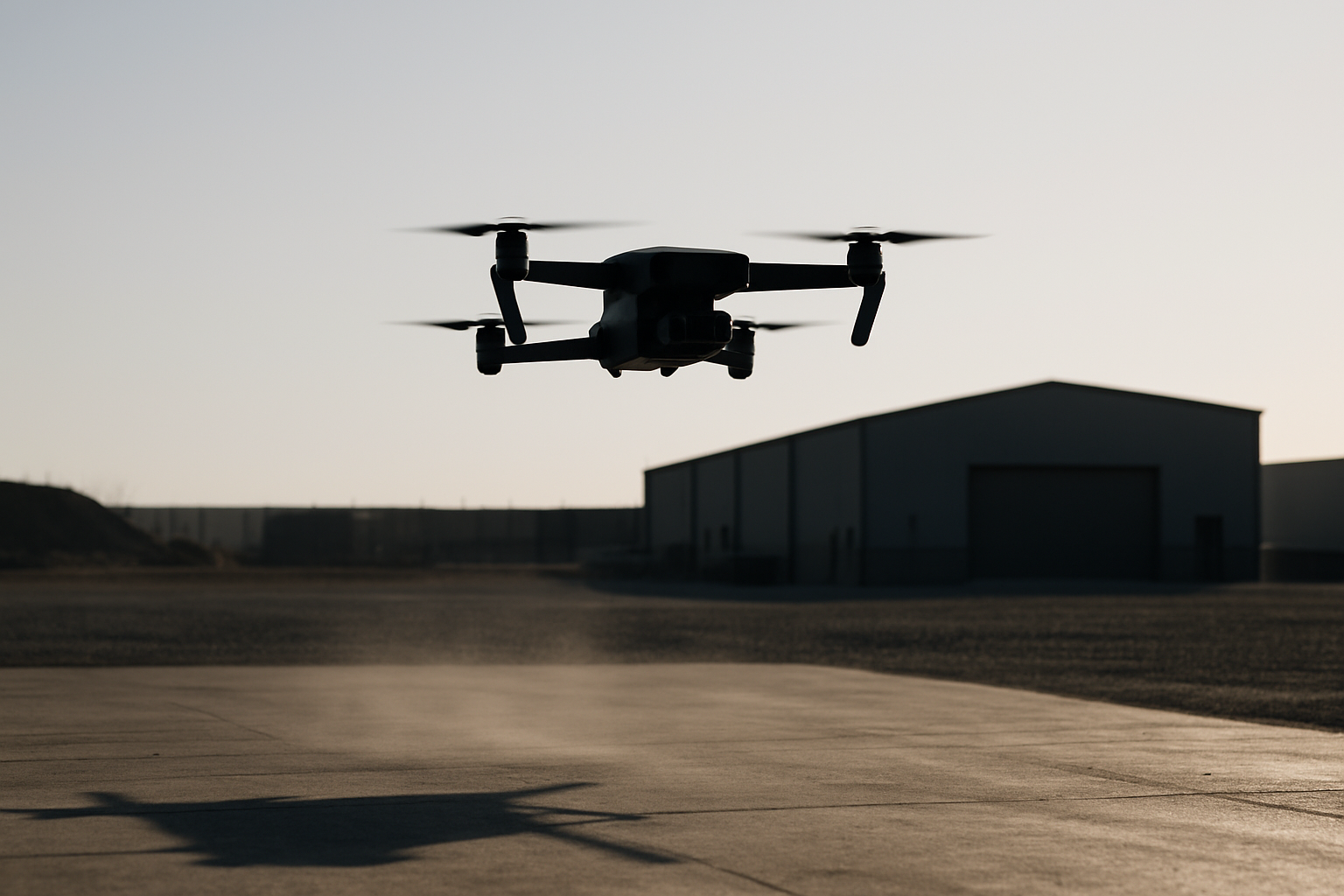
A drone demo is easy to make impressive: a platform lifts off in calm air, sends back a clean picture, and lands on cue. The harder question is whether the same system fits the site you operate, the airspace you fly in, and the team you have. That is why the questions to ask a drone vendor should be written before the meeting, not after it.
Most evaluation problems are not technical surprises. They are unanswered questions that surface during procurement: who holds the authorization, where the footage is stored, how long a repair takes. A demo shows what the aircraft can do in front of you; only the vendor can answer what happens on every other day.
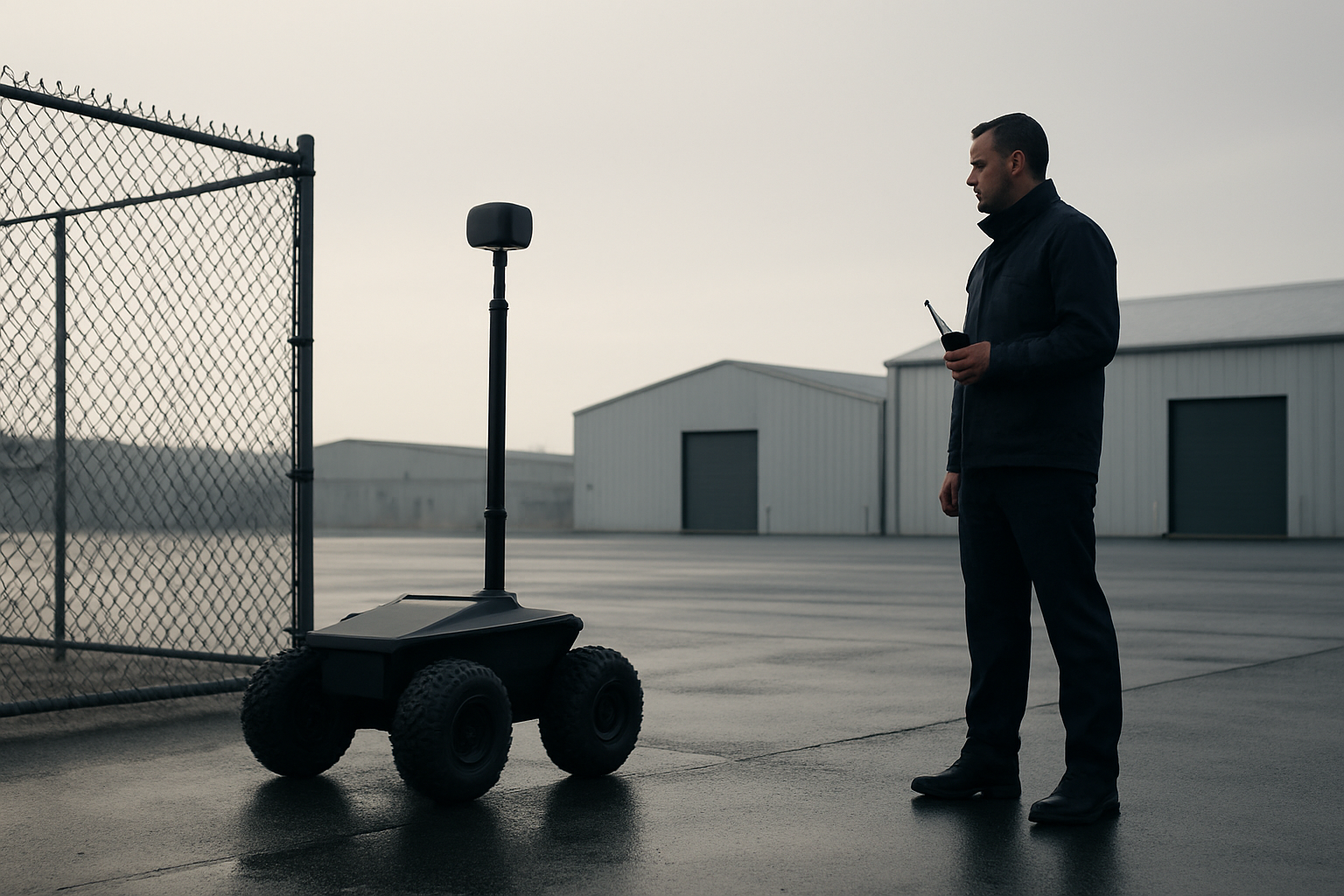
The ten questions below cover airspace, payload, data handling, and support, followed by a short method for scoring the answers. The same logic applies to aerial platforms such as Kestrel and to legged robots such as Saltica, where the site is better served from the ground.
Start With the Mission, Not the Aircraft
Put the job in operational terms
Before any vendor flies, write a one-paragraph mission statement: site type, frequency, time of day, what the operator must see, and what decision the data feeds. A perimeter check at night and a roof inspection at midday produce different requirements.
Question 1: Which parts of this workflow stay manual? Every platform automates some steps and leaves others to people: positioning, battery changes, pre-flight checks, review of footage. Ask the vendor to mark exactly where the system stops and your team continues.
Question 2: What does the demo not cover? Ask early. A vendor who can list limits — wind, temperature, radio line of sight, indoor navigation — is usually also the vendor whose other answers you can trust.
Airspace, Rules, and Where the Platform Can Fly
Question 3: Which airspace and site types has this platform been evaluated in? Ask for categories rather than names: controlled or uncontrolled airspace, urban or remote, day or night. If the answer stays imprecise, treat it as design intent rather than a field record.
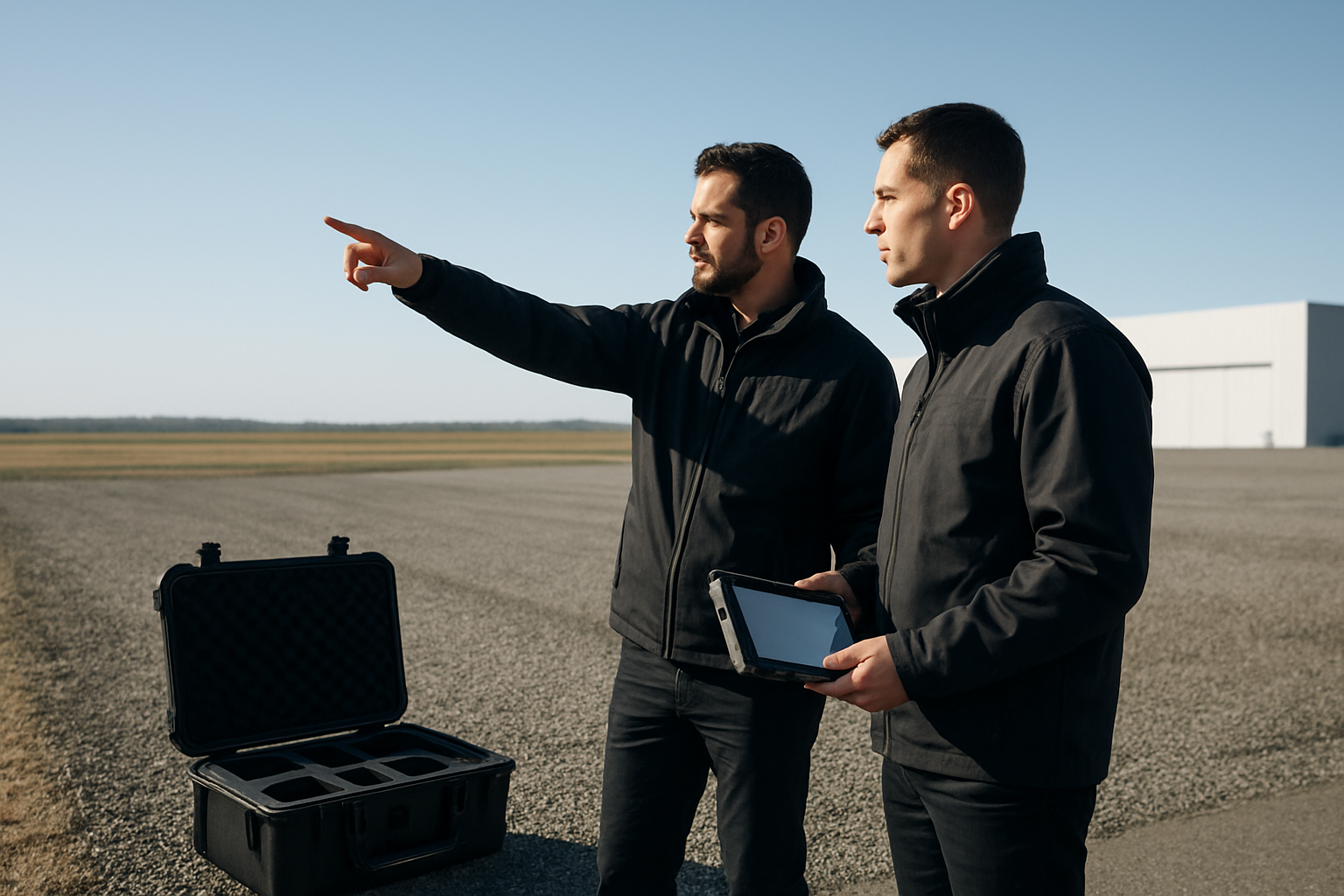
Question 4: What happens when GPS or the data link degrades? Every radio link has limits. Ask whether the platform holds, returns, lands, or hands control back to the operator when positioning quality drops. The answer tells you how much site planning and training you will need.
Payload, Sensors, and What the Data Actually Shows
Question 5: What can the platform carry, and what does each sensor output measure? Separate the sensor from the result. A camera produces video; a thermal sensor produces temperature contrast. Ask for the operating range and the conditions where the reading becomes unreliable.
Question 6: What endurance and coverage should we expect with that payload? Nominal flight time is measured in favorable conditions. Ask for endurance and area coverage with the payload you intend to use, and how wind or cold affects both. Coverage per battery, not flight time alone, decides whether a patrol is feasible.
The same questions apply to legged robots such as Saltica: what the platform carries, how long it operates, and which terrain reduces those figures.
Data Handling, Security, and Integration
Question 7: Where does the data go, who can access it, and how long is it retained? Ask about storage location, encryption in transit and at rest, user roles, and whether footage can be exported to your own systems. Institutional buyers should also ask which third-party services, such as cloud hosting or mapping, the platform depends on.
Question 8: How does the platform fit our existing systems? Confirm whether there is an interface — API, export formats, or a portal — that connects to the tools your operations team already uses, and who does the integration work if development is required.
Support, Training, and Lifecycle Planning
Question 9: What training does the vendor provide, and who is qualified to operate the platform? Ask how many people need training, how long it takes, what it covers, and whether refresher sessions are available when staff change. Operator turnover is routine in security and industrial teams.
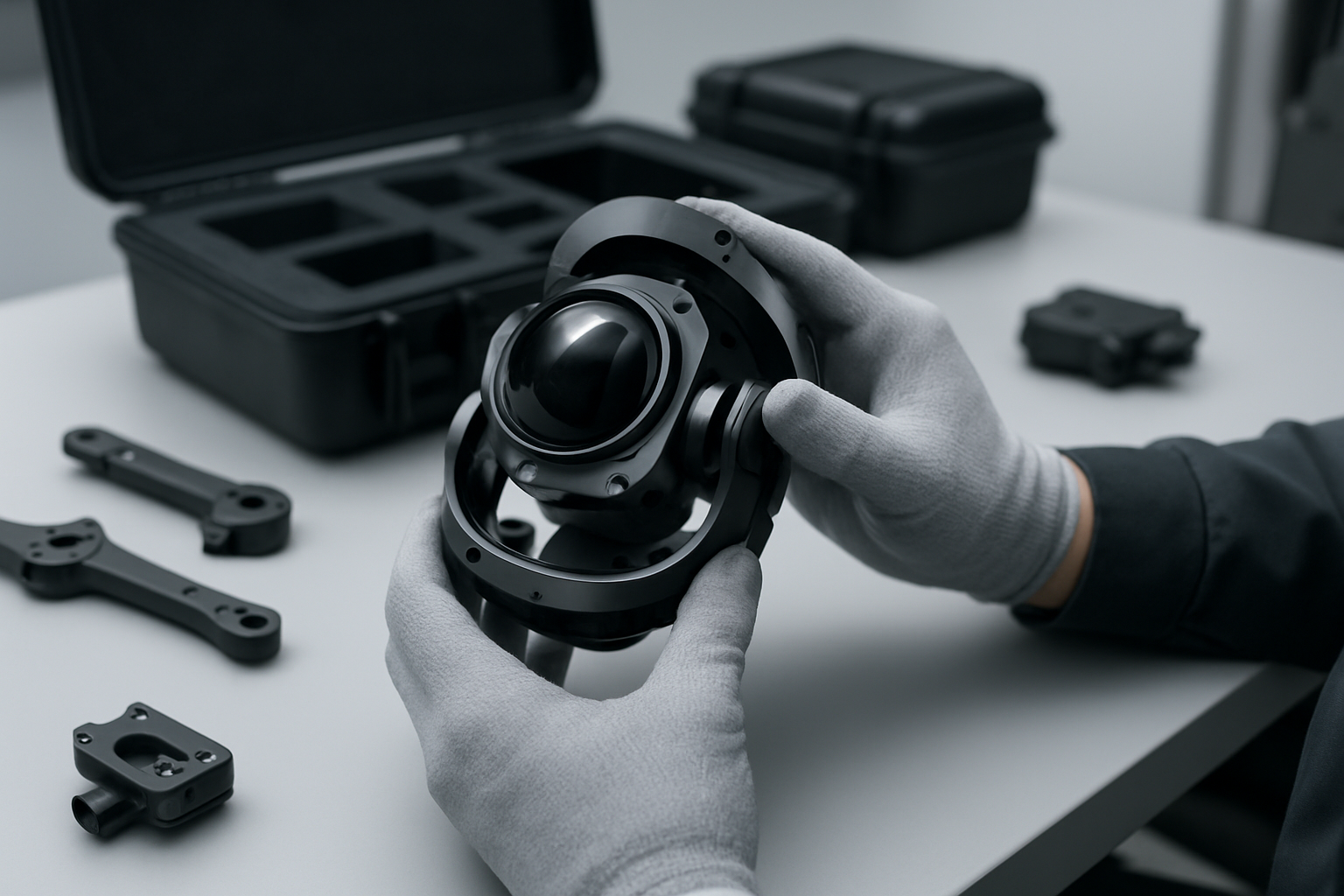
Question 10: What spares, maintenance intervals, and repair turnaround should we plan for? Ask which components are consumables, how often inspection is recommended, and where repairs are carried out. Local support is worth more to operations than better nominal specifications and a long repair queue.
How to Score the Answers
Rate each answer twice: how specific it is, and how well it matches your mission statement. Vague answers are not automatically disqualifying — a newer platform may have limited field records — but mark them as unverified and plan around them. Keep a written record of what each vendor states on airspace, payload, data, and support, and compare the demo against that record rather than against the previous vendor's demo. Ask for the demo scenario in advance, including one failure case such as link loss or a low battery. Willingness to show limits is a useful signal.
FAQ
Should the demo happen at our site or the vendor's?
Both, when possible. A vendor facility shows the platform under controlled conditions and makes hardware questions easier to discuss; your site shows how it behaves with your terrain, radio environment, and staff.
How many people should attend?
Enough to cover operations, safety, and procurement. One attendee tends to evaluate the flight; a small group evaluates whether the workflow survives contact with the rest of the organization.
What should we bring to the demo?
The mission statement, the site's airspace constraints, a list of systems the data must reach, and the ten questions above with space for written answers.
Next Step
Bring this checklist to your next vendor conversation. Flypio develops aerial, legged, and terrestrial robots for industrial, security, and institutional operations, and the Sales team can review platform capabilities against your mission. Explore the platforms and request a demo at https://flypio.com.