Voice Assistant for Field Technicians: Use Cases
See which voice assistant use cases for field technicians hold up on a real shift: hands-free logging, checklist retrieval, and incident escalation.

A voice assistant for field technicians earns its place only if it removes steps from a shift that is already full. The offer is simple: the technician speaks, and the system captures, retrieves, or routes — while the hands holding the gauge, the torch, or the ladder stay where they are. The useful question is not whether voice works, but which tasks justify it.
Field work is a poor environment for a touchscreen: gloves, weather, confined spaces, and the plain fact that the moment a reading matters most is the moment both hands are occupied. Voice is not a novelty interface there; it is a second input channel for records the technician already has to produce.
This article separates the use cases that tend to earn their place — logging, retrieval, escalation — from those that do not.
Where Voice Fits in a Technician's Day
Most field workflows reduce to three interface problems: capture (record this), retrieval (find the right checklist or spec), and escalation (tell the right person now). Voice handles them unequally, and evaluating them separately is the first practical decision a team can make.
Capture, retrieval, escalation
Capture is high volume and low ambiguity: a value, a unit, an asset. Retrieval depends on context — the assistant has to know which asset the technician is standing in front of. Escalation depends on routing: a message is only useful if it reaches a named owner with a record attached.
Hands-Free Logging: Readings, Values, and Timestamps
Logging is the clearest case. A technician reading a pressure gauge, a temperature probe, or a panel label is producing data that must land in a record with a time, a location, and an asset identifier. Typing it means a second trip to a device or a note transcribed later from memory.
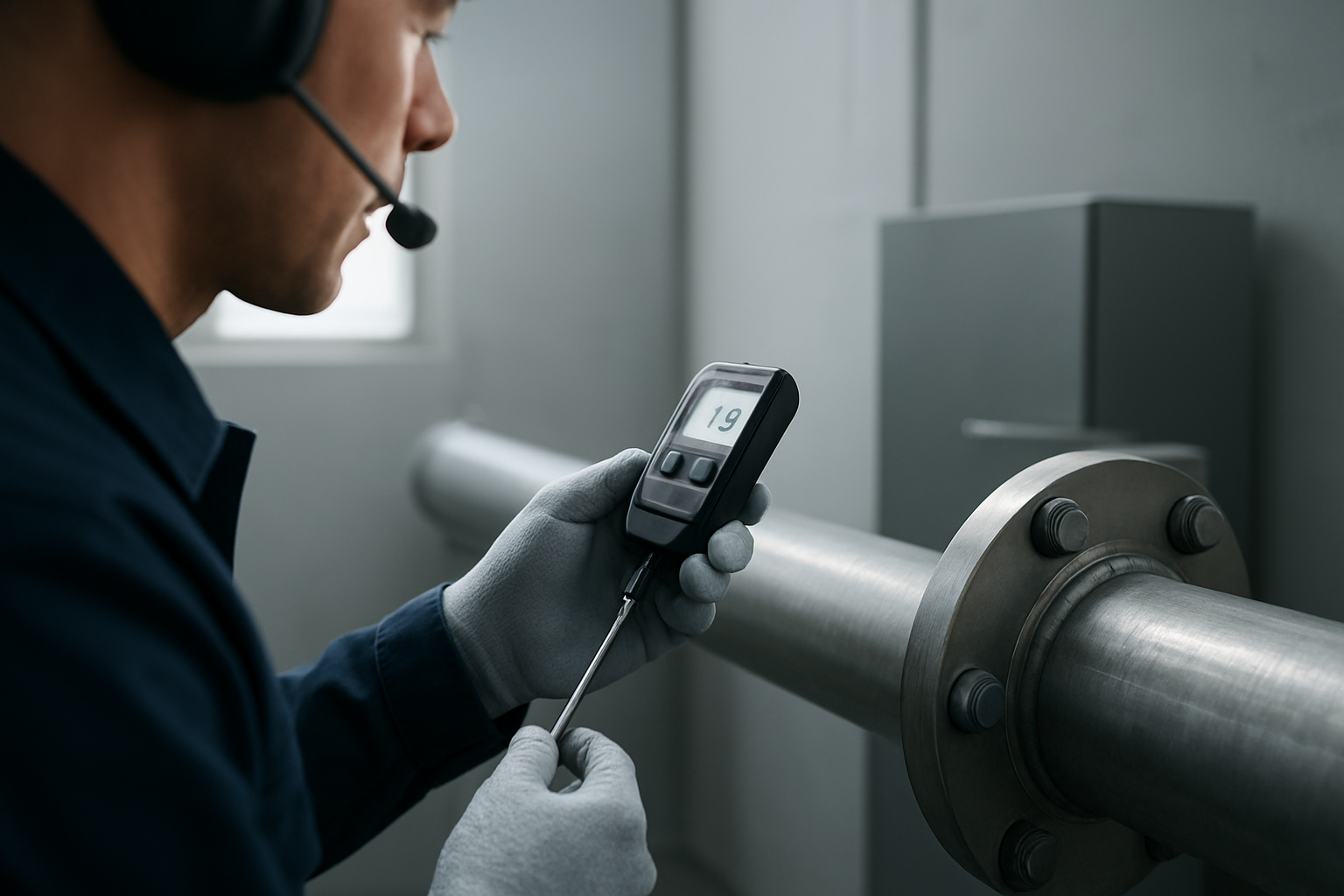
The pattern that holds up is a structured utterance rather than open dictation: the technician states asset, value, and unit in a predictable order, and the assistant confirms what it heard before committing the entry.
Why read-back matters more than recognition accuracy
Recognition accuracy is the number vendors quote. What a technician needs is to tell the difference between "the system heard me" and "the system recorded what I meant." A spoken read-back costs a moment and protects the record; silent capture saves that moment and produces a log nobody fully trusts.
Pulling Checklists and Specs Without Leaving the Task
Retrieval is underrated. Midway through a commissioning sequence, a technician does not want to strip a glove, unlock a tablet, and search a document tree to confirm a torque value. Asking aloud and hearing the step interrupts less than any screen.
Context is what makes retrieval work
An assistant answering "what is the spec for this fitting" has to know which fitting, on which asset, in which procedure. That context can come from the assigned work order, a scanned asset tag, or the previous step in the sequence. Without it, retrieval degrades into a chatbot reading documentation aloud.
Escalating Incidents While the Situation Is Still Small
Escalation carries the clearest payoff and the highest bar for reliability. A technician who finds a leak, a loose guard, or an unexpected fault should be able to open a ticket with transcript, location, and asset attached without walking back to a vehicle. Two things matter more than the interface: the escalation lands with a named owner, and the technician gets confirmation that it landed. A channel that fails silently is worse than a phone call.
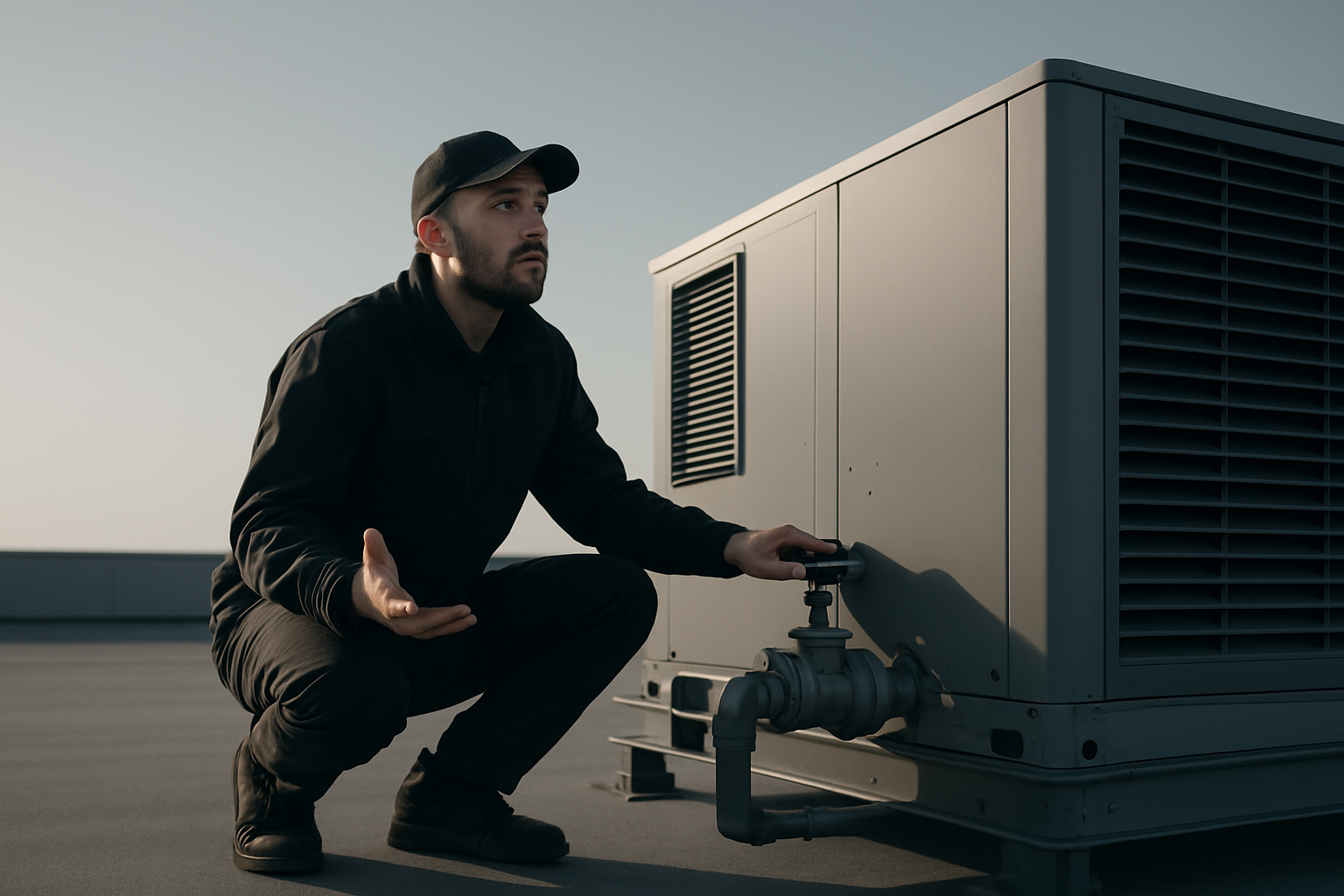
Voice suits short, structured reports. It suits long diagnostic narratives poorly, and it is the wrong channel for anything needing a signature, a photograph, or a formal handover. Deciding in advance what stays written keeps the spoken channel credible.
Voice as an Interface to Robots and Site Systems
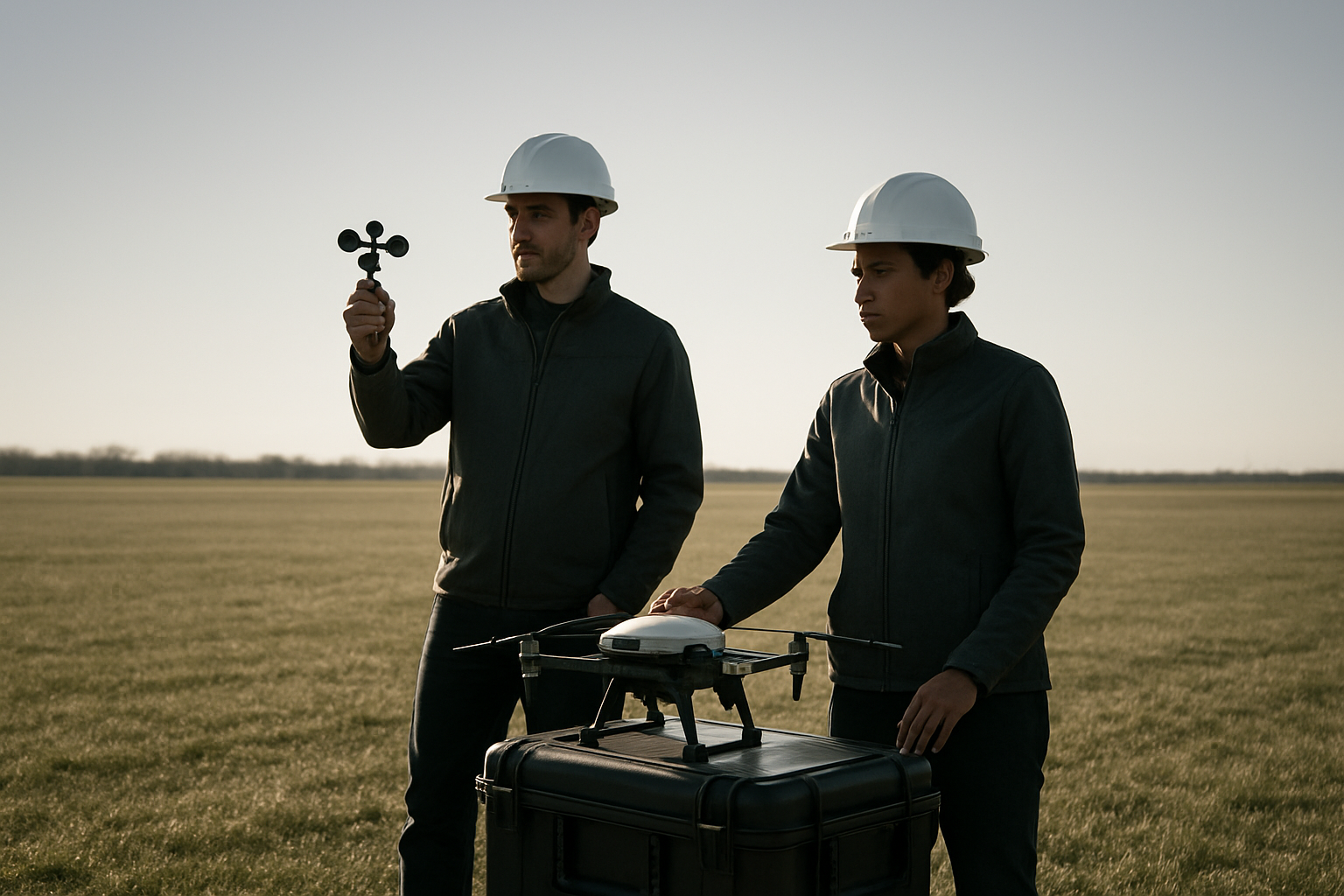
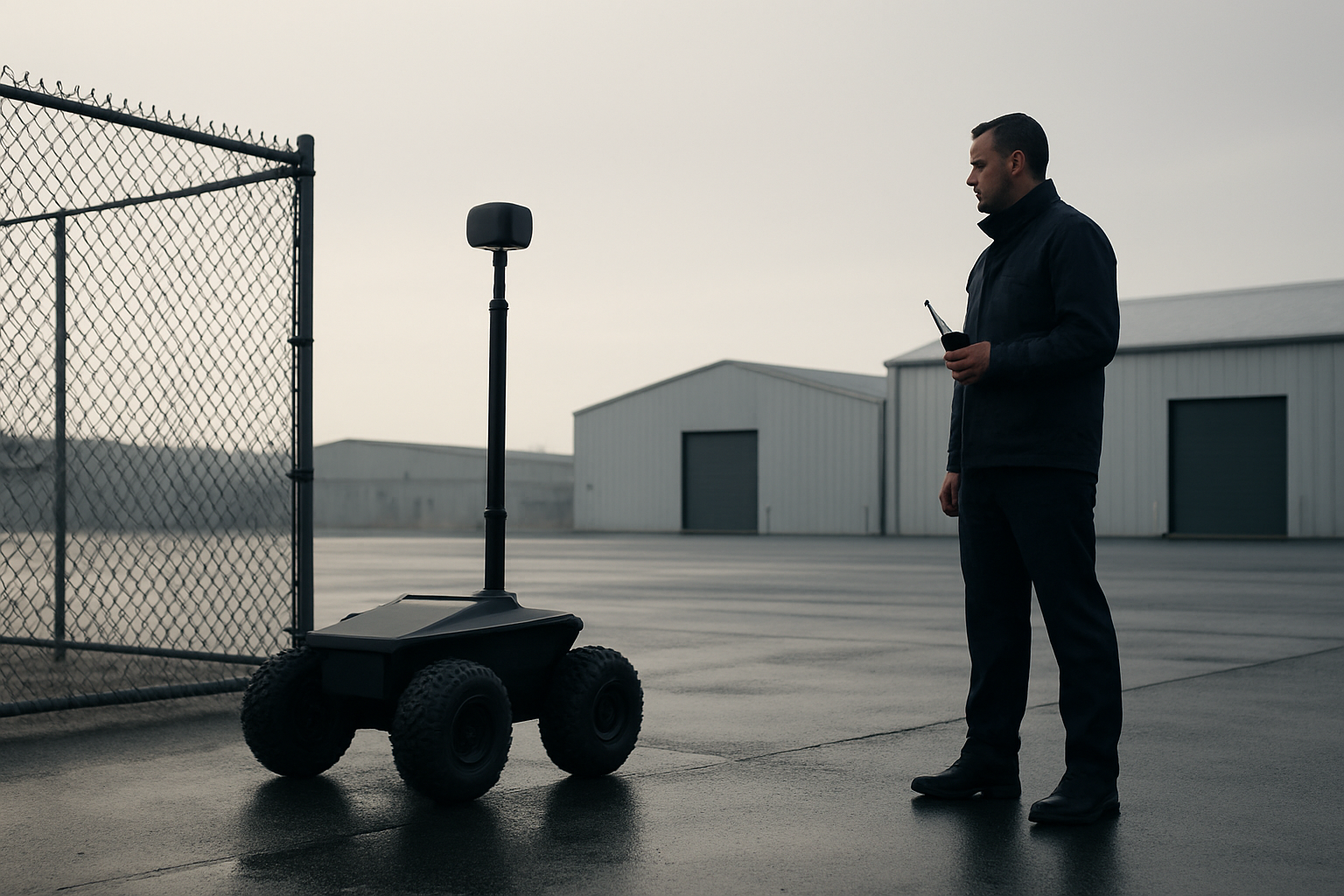
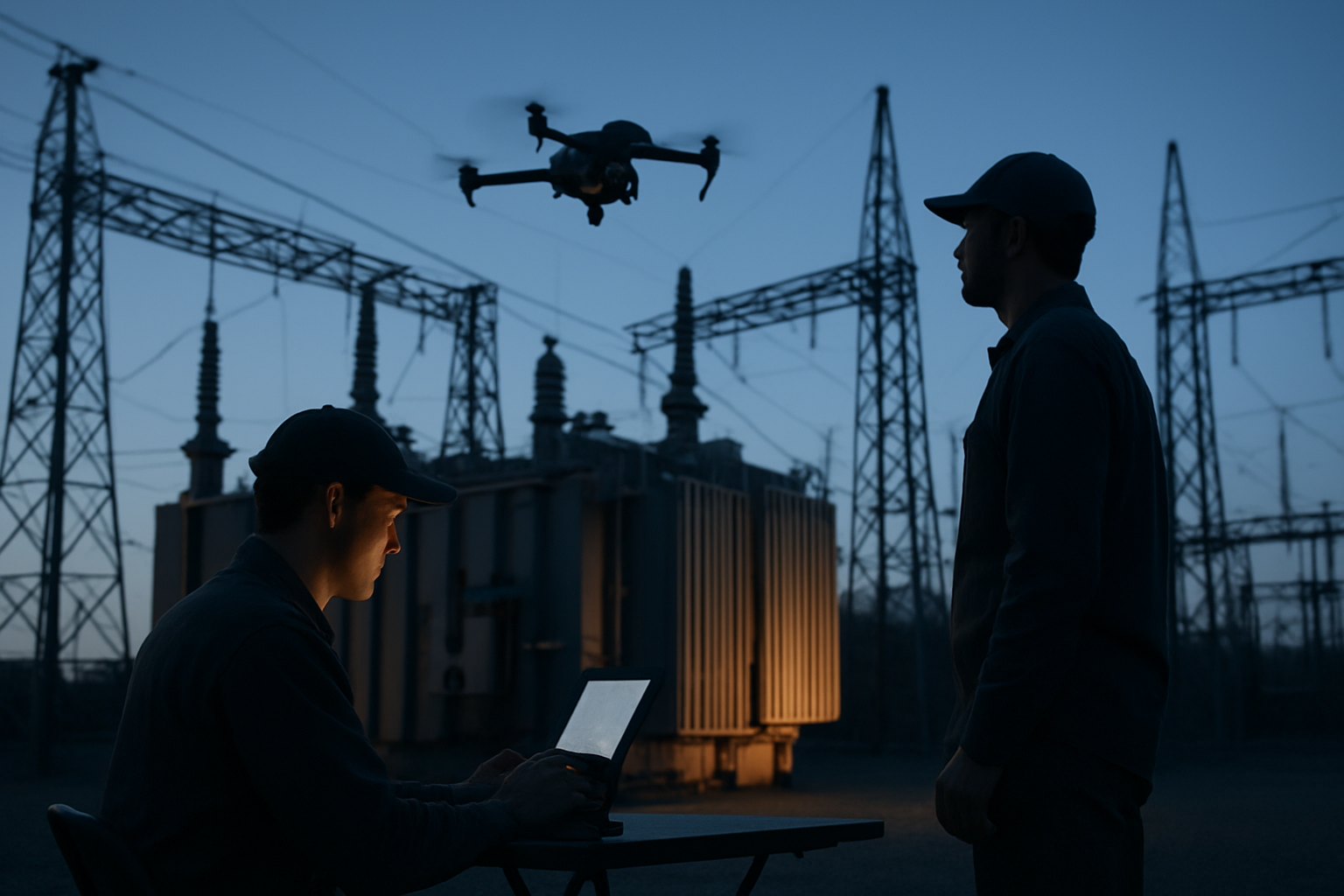
Flypio develops robotic platforms for aerial and terrestrial work — Kestrel for aerial operations, Saltica for terrain where legged mobility matters — alongside a voice assistant at ai.flypio.com. In mixed operations, a voice layer can support a technician checking the status of an asset, requesting a view of an area, or logging an observation without opening a laptop mid-task.
These systems are designed to support operators and extend situational awareness; they do not replace the technician's judgement or site safety procedures. Where a robot and a person share a site, voice is best treated as a coordination channel rather than a control surface for anything safety-critical.
What to Evaluate Before Adding Voice to a Shift
Noise, gloves, and the real crew
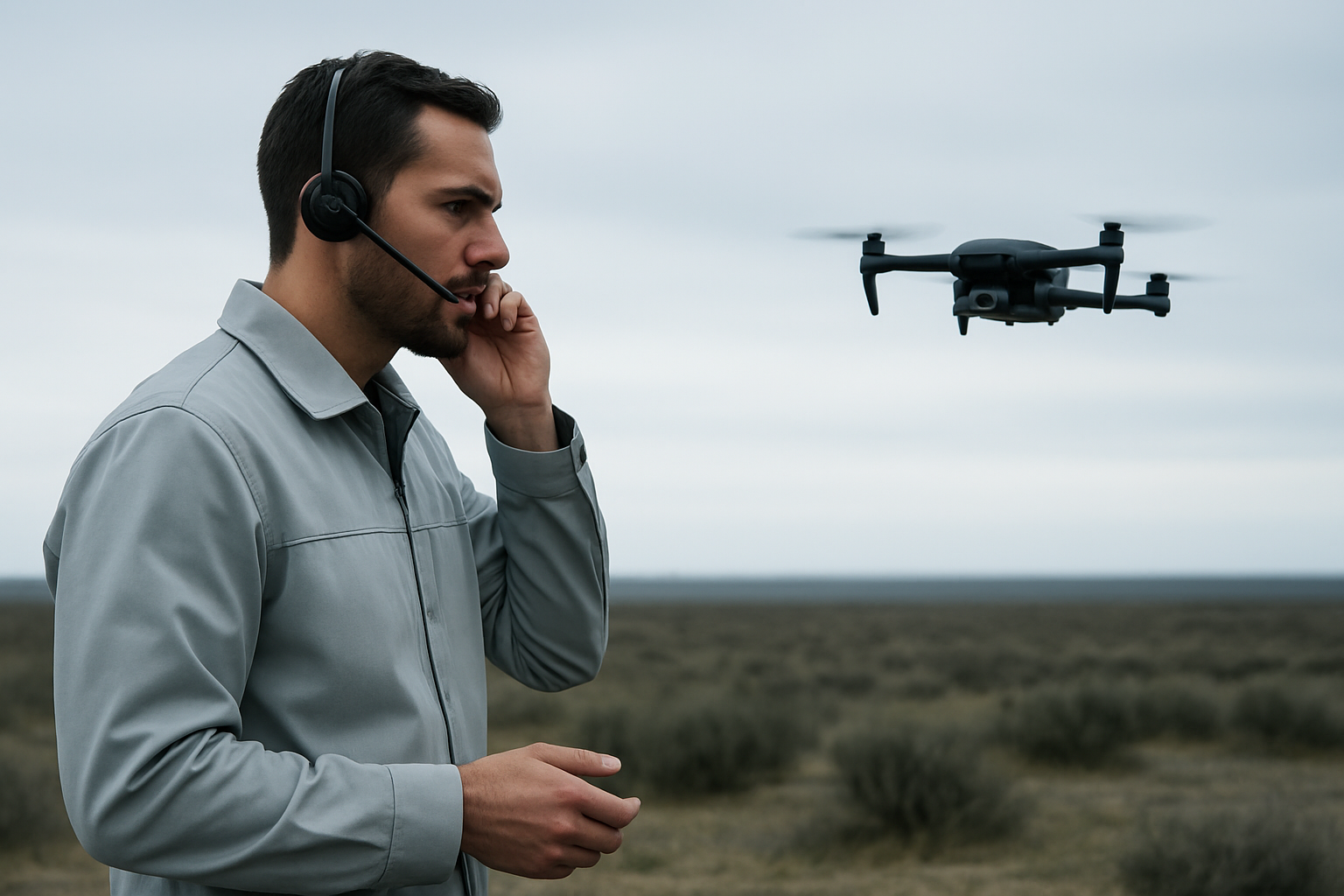
Test on the actual site with the actual PPE. Recognition that performs in a quiet office says little about a plant room beside a running compressor.
Connectivity and offline behaviour
Sites lose signal. Know whether the assistant buffers, retries, or refuses when it cannot reach a server — and make sure the technician knows too.
The audit trail
Every spoken record should end as a timestamped entry with an author and an asset. If the transcript cannot be reviewed later, the record will not survive an audit or a shift handover.
FAQ
Does a voice assistant replace the technician's tablet or paper form?
No, it replaces some interactions with them. Structured records, signatures, and photographs still belong on a screen; voice works best for the short, frequent entries that interrupt the work.
How noisy can a site be before voice stops working?
It depends on the microphone, the noise profile, and whether close-talk headsets are supported. The dependable answer comes from a test with your equipment and your crew.
Can spoken notes become part of the maintenance record?
Yes, if every entry carries an asset, a timestamp, and an author, and the transcript can be reviewed. Without those, a spoken note is an anecdote.
Next Step
Request a demo to discuss how Flypio robotics and the Flypio voice assistant may fit your operational needs: flypio.com.